
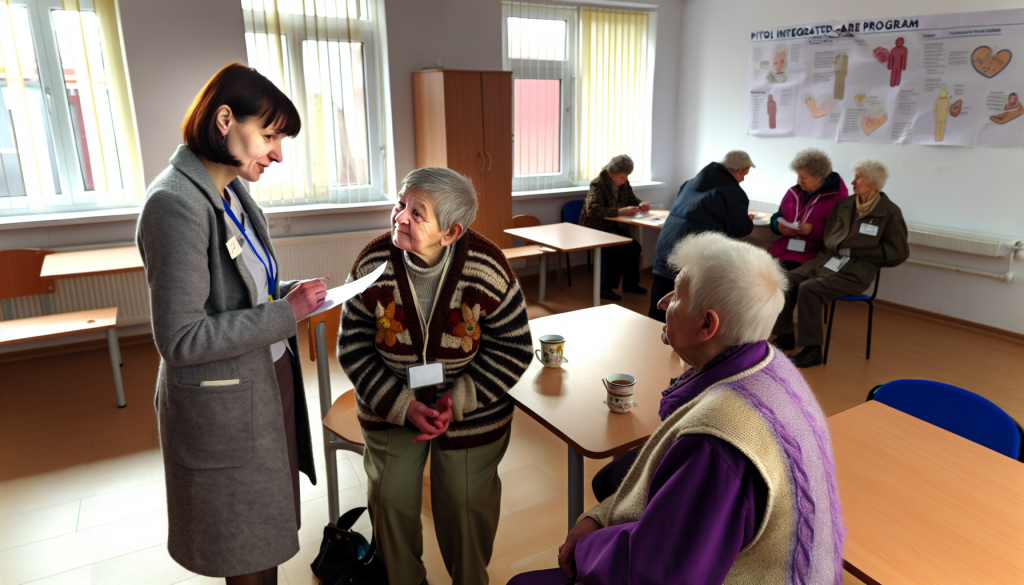
Integrated care pilot shows promising results for older people
A newly evaluated integrated care model piloted across several English regions has been credited with reducing avoidable hospital admissions and improving continuity of care for older people with complex needs. Health providers and local authorities involved in the programme say the approach, which brings together primary, community and social care teams, is shifting pressure away from acute services and into community-based support.
How the model works
The scheme co-locates multidisciplinary teams — including GPs, community nurses, social workers, occupational therapists and pharmacists — in neighbourhood hubs to coordinate care for frail older adults and people with long-term conditions. Emphasis has been placed on rapid response to deterioration, proactive case management, and better information sharing between agencies. Care navigators work with patients and families to connect them to local services, including rehabilitation, home adaptations and voluntary sector support.
Local pilots also introduced shared digital care plans and standardised risk stratification tools to identify those most likely to benefit from early intervention. Commissioners report that when combined with strengthened community rehabilitation pathways, these measures reduce the need for emergency attendance and short inpatient stays.
Outcomes and evidence
Interim evaluations from participating sites indicate improvements in patient experience and greater continuity of care. Clinicians report fewer emergency admissions for conditions that can be managed in the community and shorter lengths of stay when hospital admission is necessary. Local authority partners highlight better use of reablement and rehabilitation, which can aid recovery and reduce dependence on long-term care packages.
Independent analysts stress that the results are early and vary between settings, but they underline a consistent theme: integrated working enables more timely, targeted support for older people, which in turn eases demand on hospitals. Policymakers have noted the potential for cost savings if such models are scaled appropriately and sustained over time.
Barriers to wider adoption
Despite the positive signals, several challenges remain. Workforce shortages in community nursing and social care constrain capacity, while fragmented funding streams and short-term commissioning cycles create uncertainty for longer-term investment. Technical issues persist around interoperability of health and social care records, which limits seamless information exchange in some areas.
Leaders involved in the pilots say successful expansion will depend on securing stable funding, investing in workforce development, and embedding pragmatic data-sharing agreements. They also point to the need for robust evaluation frameworks that capture both clinical outcomes and social care impacts.
Patients and carers involved in the pilot welcomed the more joined-up approach. Many described feeling better supported at home and more confident that warning signs would be addressed promptly. Clinicians emphasised the professional benefits of closer collaboration, citing improved decision-making and reduced duplication of effort.
As national health bodies consider next steps, advocates argue that integrating primary, community and social care offers a viable route to more sustainable services for an ageing population. The extent to which integrated models can be replicated at scale will depend on addressing workforce, funding and digital barriers, but early evidence from the pilots suggests a credible pathway to strengthening community-based care.
Sursa foto: AI-generated image