
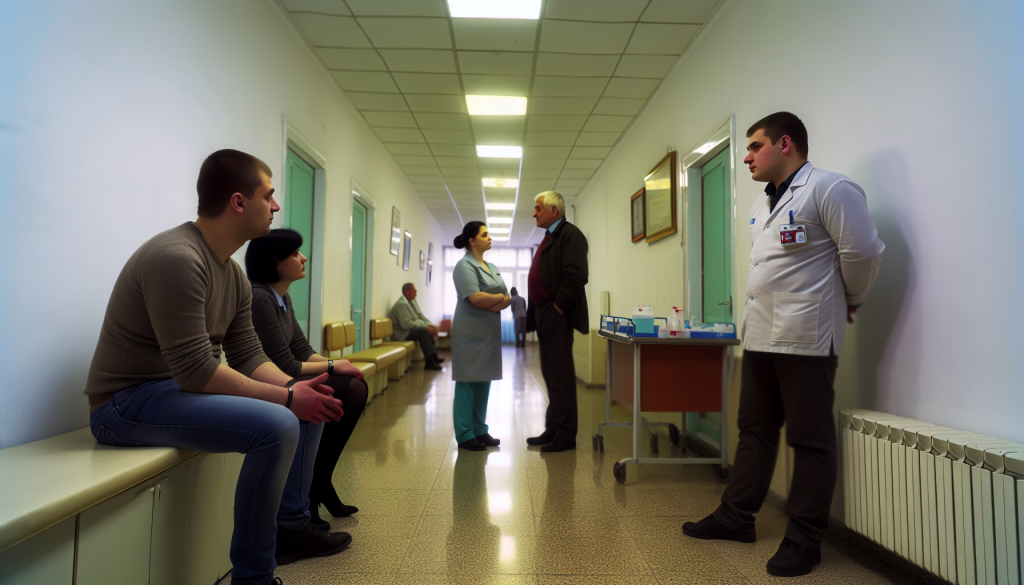
Growing resistance to antibiotics imperils common treatments, experts warn
Healthcare leaders and infectious disease specialists caution that the steady rise of antimicrobial resistance (AMR) is undermining the effectiveness of standard medical care. Once-routine procedures, from hip replacements to cancer chemotherapy, increasingly depend on antibiotics that are becoming less reliable as bacteria evolve mechanisms to survive treatment.
According to public health authorities and clinicians on the front line, hospitals are seeing more infections that do not respond to first-line antibiotics, complicating patient recovery and extending hospital stays. The trend places additional pressure on already stretched health services and raises the risk associated with interventions that previously carried low infection risk.
How the threat has grown
AMR develops when microorganisms adapt to the drugs designed to kill them, rendering those drugs less effective. Contributing factors include inappropriate prescribing, incomplete courses of treatment, and the use of antibiotics in agriculture. Global travel and inconsistent infection control practices also facilitate the spread of resistant strains across borders.
Experts emphasise that while resistance is an evolutionarily natural process, human activity has accelerated its pace. Surveillance data from multiple countries show a gradual increase in resistant infections among common bacteria, compromising standard therapy options.
Impact on patients and healthcare systems
For patients, the consequences are immediate: treatments become longer and more complex, alternative drugs may be more toxic or less well studied, and some infections may become untreatable. For healthcare systems, the burden is financial and operational. Longer hospital admissions and the need for more intensive care inflate costs, while infection-control measures consume additional staff time and resources.
Clinicians report seeing postoperative infections that once resolved quickly now requiring second-line drugs or combinations of antibiotics, sometimes with limited success. In the most severe cases, resistant infections can lead to higher morbidity and mortality.
Responses and recommendations
Policymakers and medical authorities are calling for a multipronged response. Priorities include strengthening antimicrobial stewardship to ensure antibiotics are prescribed only when necessary and with appropriate choice and duration; improving diagnostic testing so clinicians can target therapies precisely; and enhancing infection prevention and control in healthcare and community settings.
Investment in research for new antibiotics, alternative therapies and vaccines is also pursued, but experts note that development pipelines are not keeping pace with the emergence of resistance. International cooperation is essential, as resistant organisms do not respect national borders.
Public health campaigns aimed at educating patients about when antibiotics are effective — and when they are not — form a central part of containment strategies. Healthcare systems are likewise urged to implement robust surveillance to detect and respond to resistance trends promptly.
Outlook
While the scale of the challenge is significant, clinicians and public health officials stress that coordinated action can slow the spread of resistance and preserve treatment options. Continued attention to stewardship, diagnostics, infection control and research funding is required to protect the gains of modern medicine and ensure that routine procedures remain safe for future patients.
Sursa foto: AI-generated image