People in mental health crisis are facing serious risks in emergency departments, according to a new warning that adds pressure on the NHS to improve how urgent psychiatric care is delivered. The alert, published by the health watchdog and highlighted by The BMJ, comes at a time when emergency services are already under strain and clinicians are being asked to manage increasingly complex needs in crowded settings. The BMJ Medical news
Watchdog warns emergency departments are not safe enough for vulnerable patients
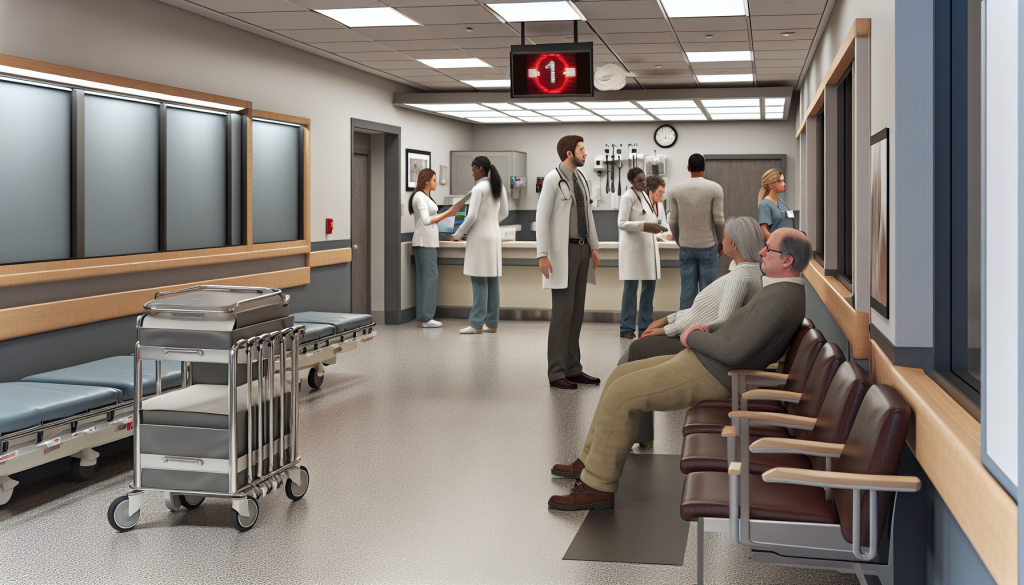
The warning focuses on the safety of patients who arrive in crisis and may require immediate assessment, observation, or specialist support. Emergency departments are designed to treat acute illness and injury, but the latest concerns suggest that gaps in staffing, space, and pathways to care can leave people with urgent mental health needs exposed to avoidable harm.
According to the BMJ’s reporting, the watchdog’s concern is not limited to one isolated problem. It reflects a wider pattern in which mental health care is often harder to access quickly than physical health care, especially when hospitals are already dealing with long waits and heavy demand. That combination can make emergency departments a difficult place to provide safe and consistent support.
Why the issue matters for the NHS
For the NHS, the warning highlights a familiar challenge: patients in psychiatric crisis often need rapid de-escalation, privacy, and specialist review, but they may instead spend hours in settings that are noisy, overstretched, and not designed for therapeutic observation. The result can be distress for patients and families, as well as added pressure on frontline staff trying to manage risk.
The BMJ also noted other related medical stories on the same day, including reporting on missed TB cases and new GMC rules on doctors’ beliefs, underscoring how health systems are being asked to respond to multiple pressures at once. In that context, the mental health warning adds to concerns about whether urgent care pathways are keeping pace with patient need. The BMJ Medical news
A call for better pathways, not just faster admissions
The core message is that improving care for people in crisis is not only about moving them through emergency departments more quickly. It also means making sure they are seen in an environment that reduces risk, with access to trained staff and a clear route to follow-up care once the immediate crisis has passed.
As the NHS continues to deal with pressure across urgent and emergency services, the warning serves as another reminder that mental health emergencies need the same level of planning and seriousness as any other acute presentation. Without safer pathways and better resourcing, vulnerable patients may continue to face unacceptable risks at the point where help is supposed to begin.
Photo source: AI-generated or edited image