Photo source: AI generated image
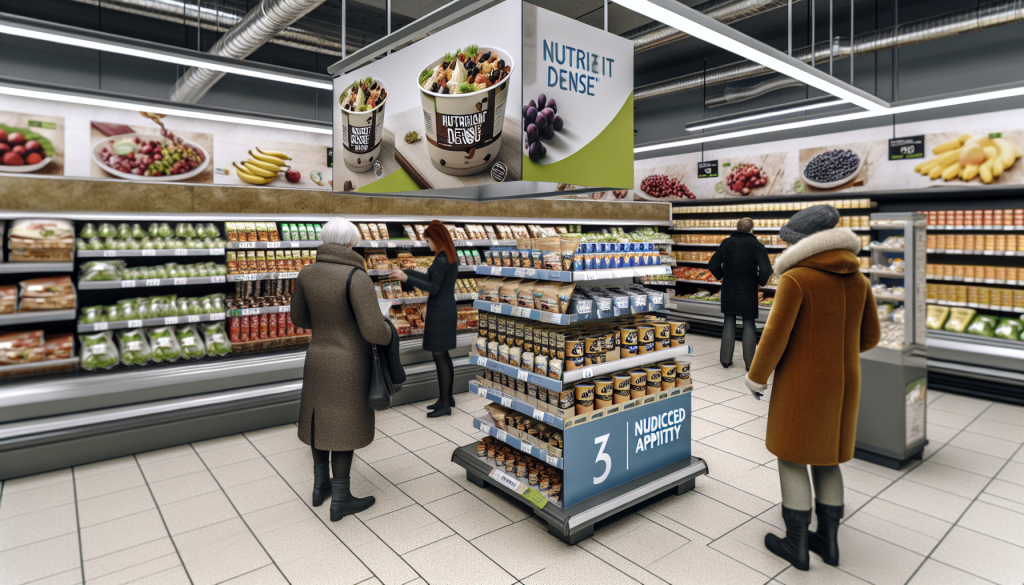
Marks & Spencer has announced a new “nutrient dense” food range aimed at customers using weight-loss injections, as food retailers seek to protect sales while some shoppers eat less.
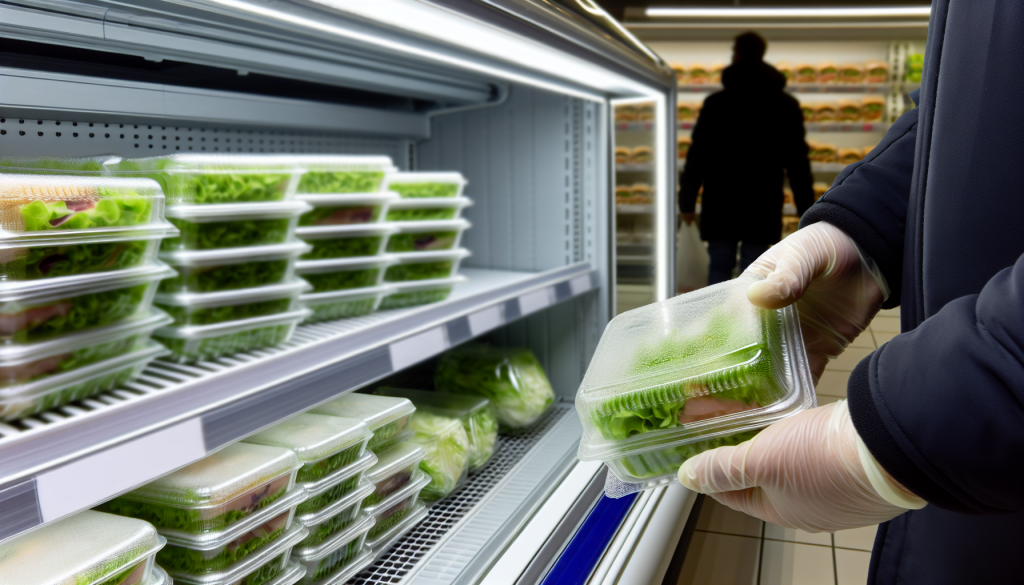
The retailer said the range will launch on 5 January and will include salads, breads, yoghurt bowls and chicken dinners. M&S said the products are designed to satisfy customers who are reducing their food intake, describing them as “perfectly portioned to contain high amounts of nutrients per calorie”.
Products designed for people eating less
M&S is promoting the line as suitable for people taking GLP-1 medications, a group of drugs that suppress appetite and are increasingly being used by people across the UK trying to lose weight. Popular injections include Wegovy, Zepbound and Saxenda.
The company’s head of food innovation, Annette Peters, said the new range was intended to help customers who are cutting back on how much they eat. She said M&S had focused on creating food “denser in nutrients than calories”, so that each bite contains more of the nutrients people need.
M&S has linked the launch to the growing use of weight-loss jabs and the challenge this presents to retailers as spending patterns shift. M&S is marketing the range through its “nutrient dense” food information page: nutrient dense food.
Rivals move into ‘GLP-1 friendly’ ready meals
M&S’s push follows a similar move by Morrisons, which earlier this month said it was partnering with the health and wellness brand Applied Nutrition to offer a range of “GLP-1 friendly ready meals”.
Morrisons said that from early January, 53 “high protein” products — including ready meals, sandwiches, breads and cheeses — will be stocked in about 400 Morrisons supermarkets. The announcement was made in a statement on the London Stock Exchange: GLP-1 friendly ready meals.
Weight-loss drug market expands as safety concerns persist
Retailers could face even more pressure to adapt if drugmakers succeed in bringing an anti-obesity pill to market. Pharmaceutical companies are competing to develop pills that would be easier to store, distribute and administer, and ultimately cheaper than injectable drugs. Reports of promising results for an anti-obesity pill have already moved markets: anti-obesity pill.
While GLP-1 drugs have surged in popularity, questions continue over their side-effects. These medications are also used to treat diabetes, and reported side-effects have included pancreas-linked problems, prompting health officials to launch further research into the drugs’ side-effects earlier this year: pancreas-linked problems.
There are also growing concerns about illegal weight-loss drugs being sold via social media. The Medicines and Healthcare products Regulatory Agency recently warned people planning to use such medications, emphasising they should only be purchased from registered UK pharmacies or legitimate retailers: fresh warning.
Big pharma financial gains and intensifying competition
The boom in weight-loss jabs has delivered a financial boost to major pharmaceutical groups, including Eli Lilly, which last month became the first drugmaker to reach a $1tn (£740bn) market value in the US. Eli Lilly developed tirzepatide, sold as Mounjaro for type 2 diabetes and Zepbound for obesity.
It has been competing with Novo Nordisk, the Danish group behind Wegovy and Ozempic. Novo Nordisk removed its chief executive, Lars Fruergaard Jørgensen, in May amid concerns the company was losing ground. Its share price rose in September after research indicated promising results from its weight-loss pill, which remains in development: promising results.