Photo source: AI generated image
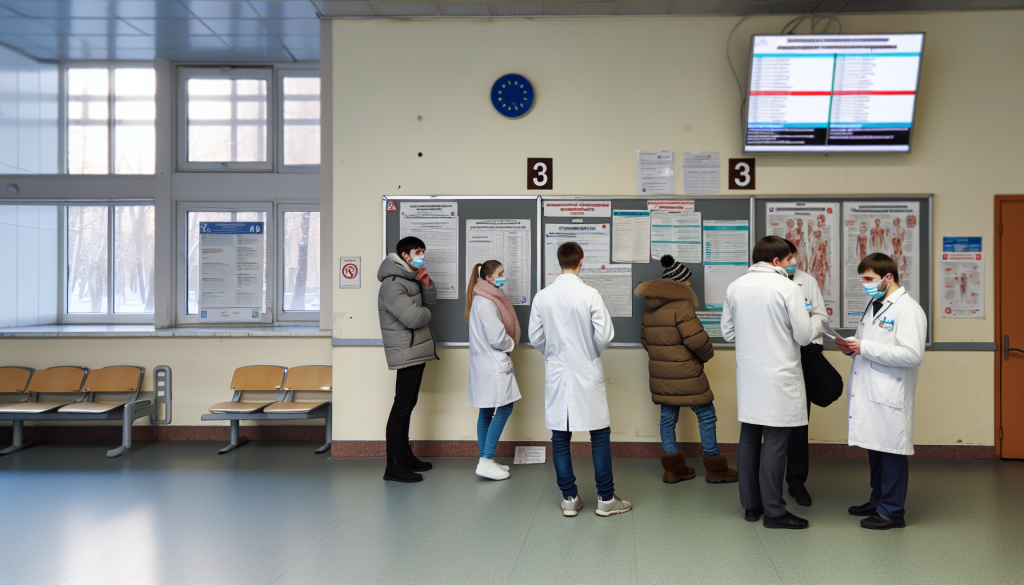
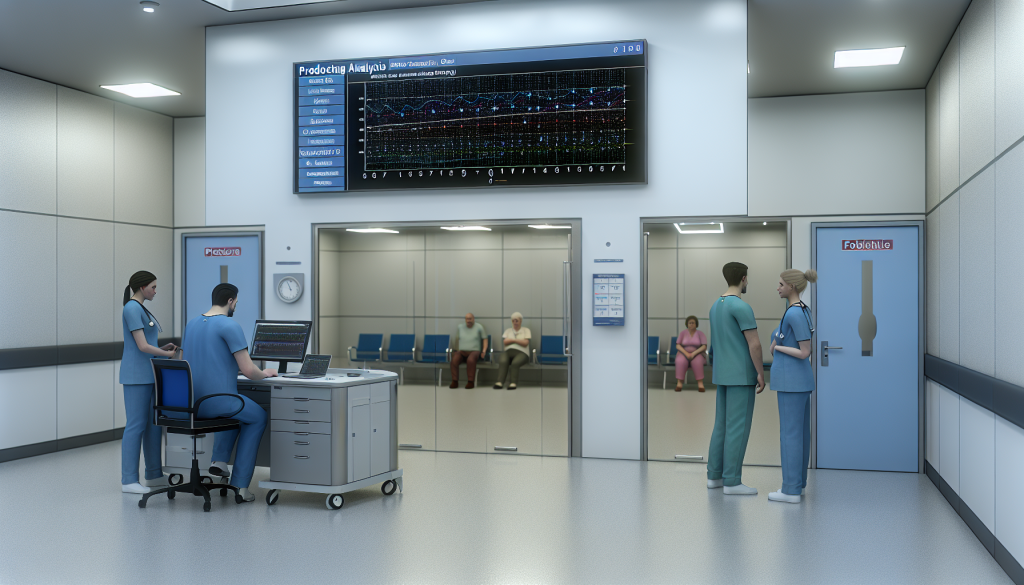
Hospitals across the NHS are using an artificial intelligence tool designed to reduce waiting times in Accident and Emergency (A&E) departments this winter by predicting when demand is likely to rise.
The technology is intended to help hospitals plan staffing and bed capacity more effectively by forecasting how many people are expected to attend A&E at different points in the week and during seasonal peaks. The tool draws on historical patterns, including weather trends, to estimate patient numbers.
AI demand predictions used by around 50 NHS organisations
About 50 organisations in the NHS have already adopted the forecasting tool. Officials said the aim is to support clinicians and hospital teams so they can focus on their professional duties rather than administrative processes.
The rollout is taking place under Prime Minister Sir Keir Starmer’s AI Exemplars programme, which aims to improve efficiency in public services through AI technology.
Minister: hospitals are seeing “great results”
Ian Murray, the minister for digital government and data, said hospitals are already seeing “great results” from the tool. He described the challenge A&E teams face in not knowing in advance how many people will arrive, even though there are some predictable patterns—such as busier Saturday nights and increased pressure in winter, unless a heatwave shifts demand.
By combining those patterns with seasonal trends and projections of particularly busy days, he said hospitals can position resources where they are most needed.
Planning staffing and freeing beds “further down the pipeline”
Mr Murray said the technology is focused on improving efficiency by helping the NHS concentrate resources. He said it could support decisions such as putting on more consultants of a particular variety and increasing nursing numbers on shifts when demand is expected to be higher.
He added that the tool could also help hospitals anticipate bed pressures across the wider system—“freeing up beds further down the pipeline”—including identifying where patients might be discharged sooner to create space.
Government: tool builds on wider NHS use of AI
Secretary of State for Science, Innovation and Technology Liz Kendall said the uptake of the forecasting tool represents a “step further” in the health system’s use of AI, alongside existing applications in diagnosis and supporting the development of new treatments.
She said that by helping predict demand, the tool is intended to get patients care faster while supporting NHS staff during the busiest time of year, easing pressure by keeping the service at the forefront of new technology.
NHS England: early planning is key in winter pressures
Professor Julian Redhead, NHS England’s national medical director for urgent and emergency care, said early and efficient planning is essential for managing busy periods such as winter, and that new technology like the AI tool has the potential to change how care is managed for patients.
Read more from Sky News: Wrong body cremated at Glasgow hospital The children spending Christmas in hospital
👉Tap here to follow Patient 11 wherever you get your podcasts (https://podcasts.apple.com/gb/podcast/patient-11/id1726951096)👈