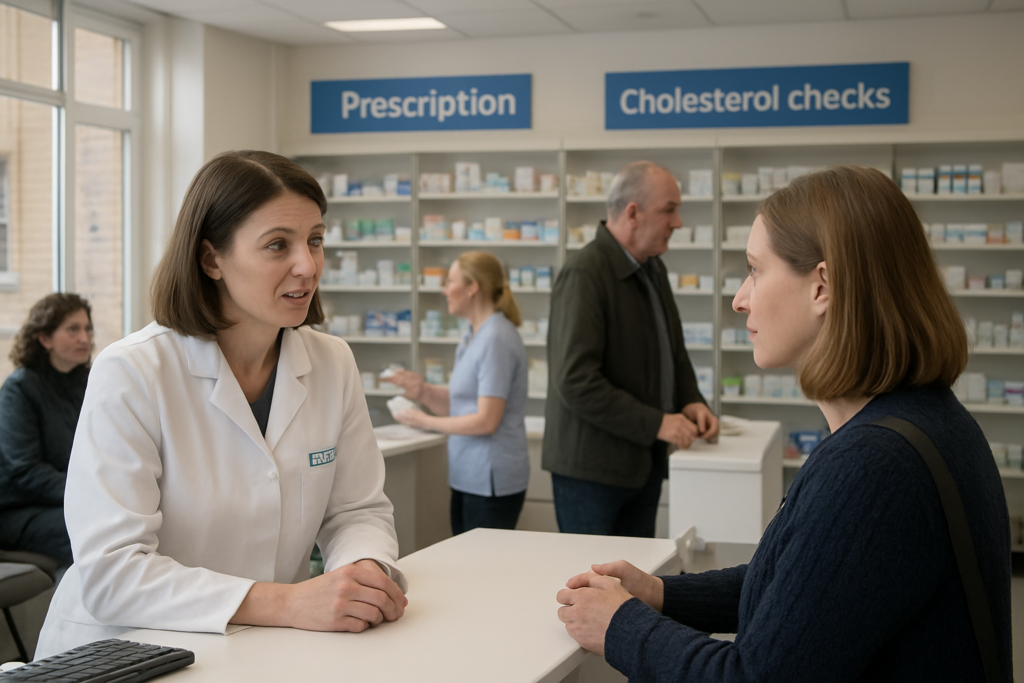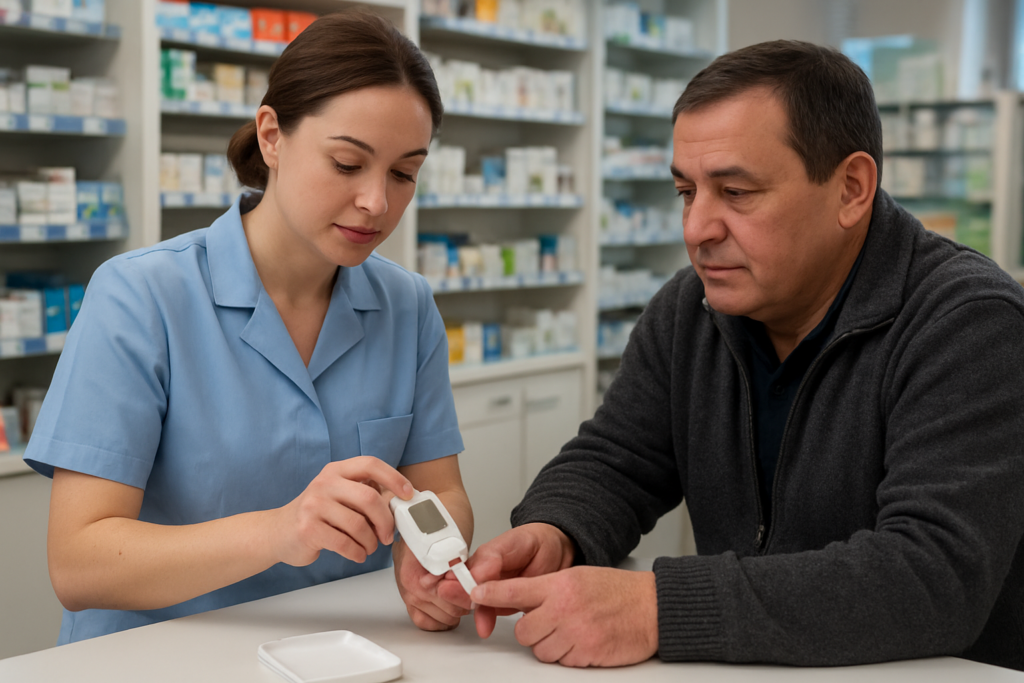
The NHS will begin offering quick cholesterol checks at around 100 pharmacies in England this autumn as part of a wider drive to cut heart disease and stroke deaths over the next decade. The new service will allow eligible patients to walk in for a pin-prick test that can analyse their cholesterol profile in just seven minutes, with pharmacists then able to provide lifestyle advice and decide whether treatment is needed.
The programme is set to run until spring 2027 and targets people aged 40 to 84 who are not pregnant and have not had a blood test in the past year. Alongside the cholesterol test, eligible patients will also be offered a blood pressure check during a clinical consultation with a pharmacist prescriber. NHS England said patients will receive a copy of their results by email.
Pharmacies positioned as a first line of defence
David Webb, chief pharmaceutical officer for England, said local pharmacies can be a vital first line of defence against serious illness. The national rollout follows a smaller pilot in north London, run by Barts Health NHS Trust in collaboration with UCLPartners and HEART UK, which NHS England said had been successful.
The move comes as the health service continues to look for faster ways to identify people at risk of cardiovascular disease before symptoms appear. By bringing testing into community settings, the NHS is aiming to make checks more convenient and improve early detection in people who may otherwise delay having their cholesterol assessed.
Part of a broader prevention push
The pharmacy rollout was announced alongside other recent NHS measures focused on prevention and winter preparedness, including calls for eligible people to book flu jabs ahead of the season. NHS England has said the system is trying to ease pressure on hospitals while also improving access to everyday healthcare closer to home.
For patients, the new cholesterol checks could offer an easier route to getting advice on heart health without waiting for a GP appointment. For the NHS, the hope is that quicker identification of raised cholesterol and related risk factors will support earlier intervention and reduce the burden of preventable disease over time.
As the service expands, the key question will be whether high-street pharmacies can help reach more people who need screening, while keeping the process simple, fast and clinically useful.
Photo source: AI-generated or edited image