
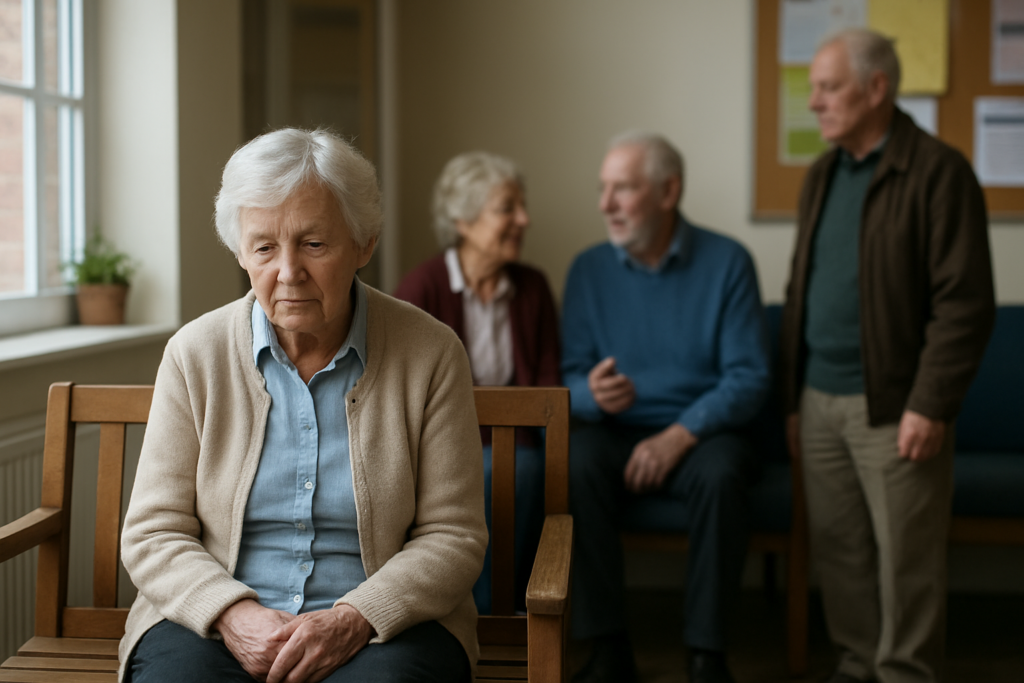
New research published in Nature Communications suggests that loneliness and social isolation are associated with measurable differences in physical and mental health among older adults, adding to a growing body of evidence on how social conditions can shape health outcomes. The study, published on 11 September 2026, examined loneliness and isolation phenotypes and their relationship with health in later life.
The findings point to a distinction between chronic loneliness, the onset of loneliness, and social isolation. According to the study summary, chronic loneliness was associated with poorer physical and mental health, while loneliness onset showed similar but weaker associations. Social isolation primarily affected mental health, and remission may confer cognitive benefits.
Why the findings matter for medical research
The work adds another layer to research on ageing, mental wellbeing, and prevention, especially as health systems look for ways to identify vulnerable patients earlier. By separating loneliness from isolation, the study suggests that different social experiences may carry different health implications, rather than functioning as a single risk factor.
The broader Nature medical research hub lists the paper among its latest research items, highlighting the continuing focus on ageing and population health. The result also fits into an expanding research agenda that examines how non-clinical factors influence long-term health trajectories.
What the study adds to the evidence base
The summary indicates that chronic loneliness had the strongest link with poorer outcomes, while the onset of loneliness appeared to have a weaker but still notable association. In contrast, social isolation was described as affecting mental health more than physical health, suggesting that the two conditions should not be treated as interchangeable in future research or clinical assessment.
The report also notes that remission from social isolation may be linked to cognitive benefits, which raises the possibility that improving social connectedness could be relevant not only to wellbeing but also to brain health. That inference should be interpreted cautiously, as the source describes an association rather than a proven causal effect.
Implications for clinicians and researchers
For clinicians and researchers, the study reinforces the value of asking more precise questions about a patient’s social environment. It may also help shape future studies that explore whether interventions aimed at loneliness or isolation can improve health outcomes in older adults.
As the field of medical research continues to examine the links between social factors and disease, the latest findings underscore a simple but important point: health is shaped by more than biology alone. The paper suggests that social connection, or the lack of it, may be an important part of the picture in healthy ageing.
Photo source: AI-generated or edited image