
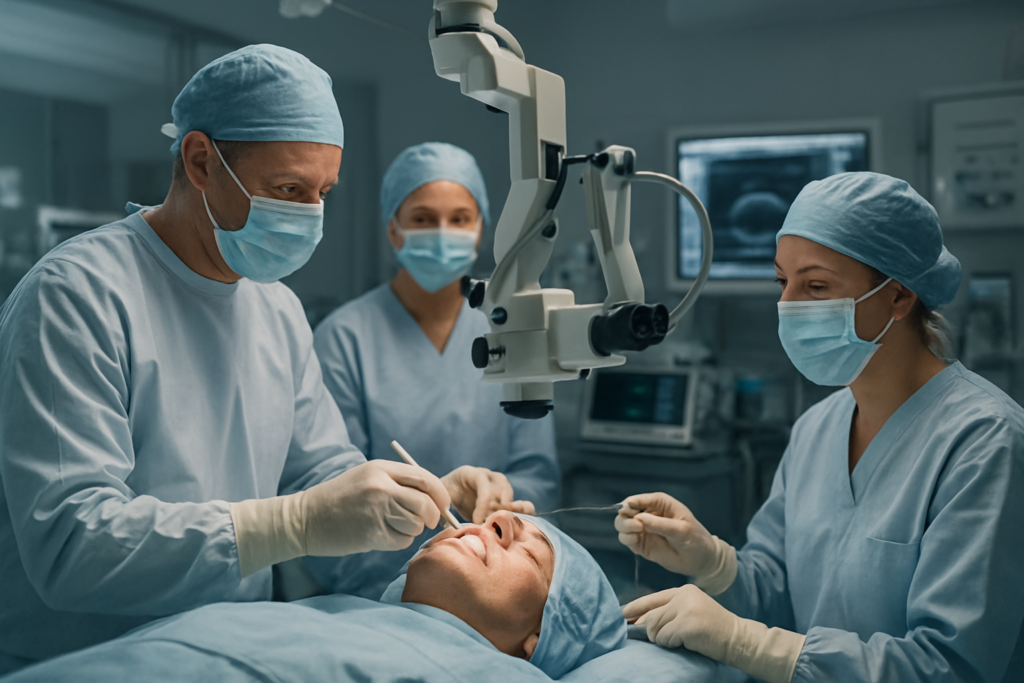
A patient in the United Kingdom has regained sight after what The BMJ described as the first successful AI-assisted brain tumour surgery, a development that underscores how rapidly artificial intelligence is moving from promise to practical use in specialist medicine. The case has drawn attention because it combines one of the most technically demanding areas of surgery with software designed to support precision and decision-making in the operating theatre. The BMJ reported the milestone on 28 August 2026.
A landmark procedure in a highly specialised field
The report places the operation in the context of growing interest in how AI might help clinicians manage complex procedures more safely and consistently. Brain tumour surgery requires extreme accuracy, and even small improvements in visualisation or planning can have a major impact on patient outcomes. In this case, the technology was used to assist rather than replace the surgical team, highlighting a model of human expertise working alongside machine support.
That distinction is likely to matter in the wider debate over AI in healthcare. Enthusiasts see the technology as a way to improve speed, reduce errors and make advanced treatment more widely available. Critics, however, continue to warn that any tool entering the operating room must be proven safe, reliable and properly governed before it can be adopted at scale.
Why the result matters beyond one patient
The immediate clinical outcome is significant in its own right, but the broader importance lies in what it suggests about the next phase of medical innovation. If AI can help surgeons navigate delicate procedures more effectively, it could influence future practice in neurosurgery and other high-risk specialties. The case also adds to a growing body of news from UK medicine showing how digital tools are becoming more deeply embedded in frontline care.
At the same time, the story is a reminder that breakthroughs in advanced healthcare rarely arrive as finished solutions. They typically begin with carefully monitored examples, followed by scrutiny from clinicians, regulators and hospital leaders who want to know whether early success can be replicated in different settings. That process is likely to be especially rigorous when the stakes involve vision, brain tissue and operations where every millimetre counts.
What comes next for AI in the operating theatre
For now, the case will be watched closely by medical professionals interested in the future of surgical assistance systems. It may help strengthen the argument that AI can support specialist teams in ways that improve outcomes while keeping the clinician firmly in charge. It also raises familiar questions about training, oversight and whether hospitals are ready to integrate advanced technology without widening inequality between well-resourced centres and the rest of the health service.
The patient’s recovery has given the story immediate human significance, but its longer-term impact will depend on whether similar results can be achieved safely, repeatedly and in more routine NHS settings. For UK medicine, the message is clear: artificial intelligence is no longer a distant concept, but a tool increasingly shaping the conversation about how surgery will be delivered in the years ahead.
Photo source: AI-generated or edited image