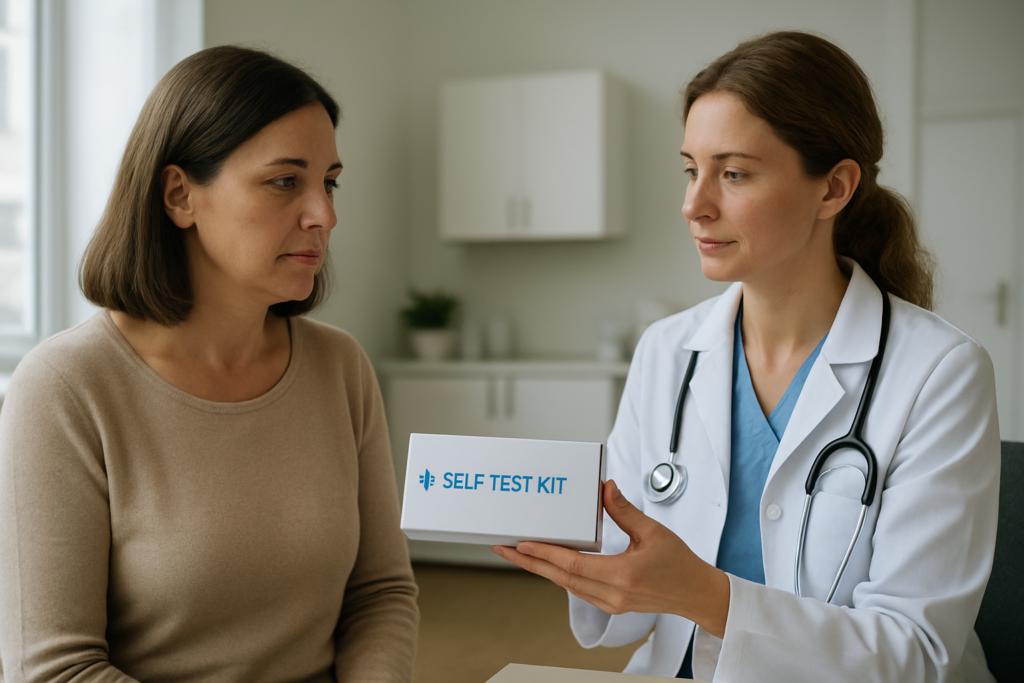
The NHS in England has begun rolling out HPV self-testing kits to nearly 4 million women who did not attend cervical screening after their invitations, in a move designed to make early detection easier and improve uptake across the country. The programme, which started on 25 August 2026, is being positioned as a practical step to help more women complete a screening process that can detect human papillomavirus, the infection linked to most cervical cancers.
Why the new kits matter for prevention
Cervical screening remains one of the most important tools in preventing cervical cancer, but attendance has long been a challenge. By offering a home-testing option to women who have not responded to earlier invitations, NHS England is aiming to remove some of the barriers that can keep people from taking part, including inconvenience, discomfort and the difficulty of booking an appointment.
The new kits are intended for women who missed routine screening, rather than replacing standard appointments altogether. NHS England says the approach should encourage more people to complete the process and give clinicians a better chance of identifying HPV before it develops into something more serious.
A wider NHS focus on earlier detection
The rollout comes as the health service continues to prioritise programmes that aim to catch disease earlier and reduce pressure on hospital services. In recent weeks, NHS England has also highlighted its winter vaccination preparations and other national public health efforts, reflecting a broader push to improve prevention and community-based care.
That strategy matters because preventative care can reduce the need for more complex treatment later on. In the case of cervical screening, identifying HPV early can make a major difference in avoiding cancer or spotting it at a stage when treatment is more effective.
What happens next
NHS England says the self-testing kits are being offered from the end of August as part of a phased national rollout. The programme will be closely watched for how many women use the kits and whether the new option improves screening participation among groups that have historically been harder to reach.
If the initiative succeeds, it could become another example of the health service using more flexible care models to support prevention and make access to essential checks simpler. For now, the central goal is straightforward: make it easier for more women to take part in a test that can save lives.
Photo source: AI-generated or edited image