
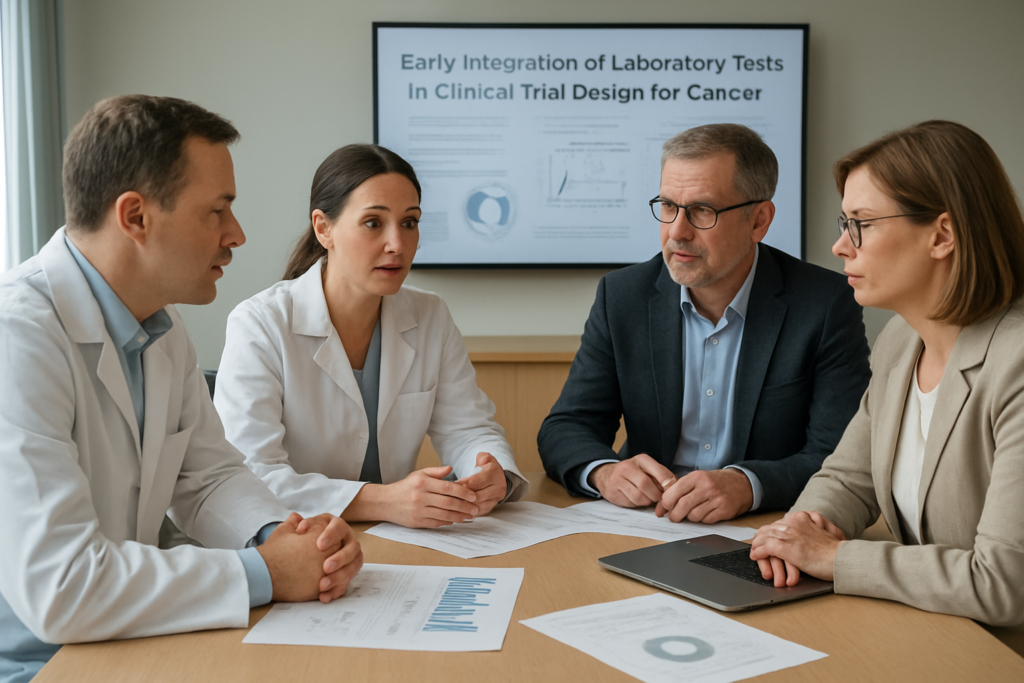
A new perspective published in the British Journal of Cancer argues that pathology should be built into the design of biologically rich cancer trials from the start, rather than added after protocols and budgets are already fixed. The authors say that when studies depend on tumour tissue, biomarker-defined eligibility or mechanism-focused endpoints, early specialist input can improve feasibility, specimen governance, assay selection and quality assurance.
Why pathology is being treated as trial infrastructure
The article says pathology now plays a central role in trial architecture, especially in biomarker-led, adaptive, umbrella and window-of-opportunity studies. In these settings, pathology-derived measures may influence classification, staging, biomarker interpretation, eligibility assessment, response assessment and endpoint evaluation, rather than serving only exploratory purposes.
The authors add that pathologists can help trial teams decide how much tissue is needed, how it should be processed and whether downstream analyses are realistic. They say this support is most effective when pathologists work alongside surgeons, interventional radiologists, oncologists, cancer biologists, trial managers and laboratory scientists during development, not after study plans are already set.
UK pathway for specialist review
The perspective also points to a practical UK route for pre-submission review through the Clinical Trials Pathology Advisory Group, now within the new Pathological Society of Great Britain and Ireland Clinical Trials Pathology subcommittee. The authors present this as a way to strengthen study planning before a trial is launched.
Published on 1 September 2026, the article frames pathology as core infrastructure for translating discovery science into clinical benefit. That argument may be especially relevant to UK cancer research, where increasingly complex tissue-based studies depend on careful coordination between laboratory and clinical teams.
As cancer trials continue to rely more heavily on molecular and tissue-based endpoints, the message from the authors is straightforward: if pathology is essential to answering the research question, it should be embedded at the planning stage, not treated as an afterthought.
Photo source: AI-generated or edited image