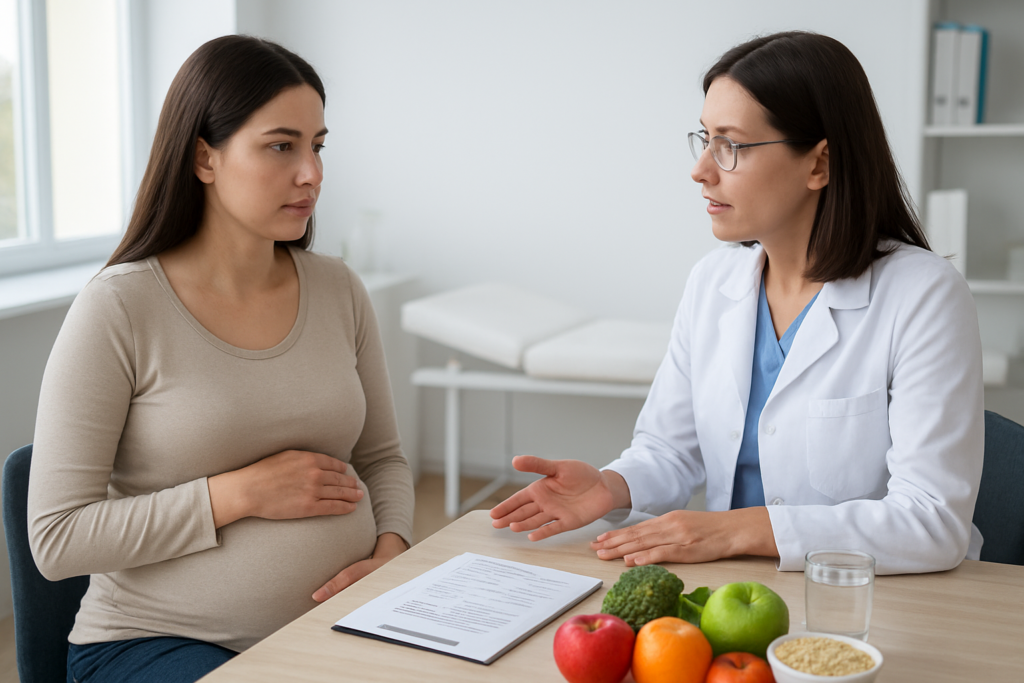
A new cohort study published on September 2 suggests that what pregnant women eat may be linked to differences in newborn outcomes, with researchers identifying four distinct dietary patterns and finding notable contrasts between them. The analysis of 1,404 pregnant women in Germany adds to growing evidence that dietary habits during pregnancy matter not only for maternal health, but also for early infant development. Source study
Four dietary patterns emerged in the analysis
Researchers from the LIFE Child cohort examined food frequency questionnaire data collected between 2011 and 2025 and used hierarchical clustering to group maternal diets into four patterns: mixed-diet, traditional bread-based, high-ultra-processed foods, and vegetable-rich. The study found that women in the high-ultra-processed foods group had the highest pre-pregnancy body mass index and the highest gestational weight gain, while women in the vegetable-rich group had the lowest pre-pregnancy BMI.
The paper reported that these dietary patterns were associated with differences in selected maternal characteristics, including age, body weight before pregnancy, and gestational weight gain. The authors said this supports the importance of early nutritional information in pregnancy care.
Vegetable-rich diets were associated with more favorable birth measures
Among the neonatal findings, infants born to mothers in the vegetable-rich pattern had a significantly higher gestational age at birth and greater birth length compared with selected other dietary patterns. The study also noted that mothers following the high-ultra-processed foods pattern had the lowest proportion of infants born appropriate for gestational age, although that difference was not statistically significant.
The researchers said the results reinforce the idea that dietary patterns, rather than isolated nutrients alone, can help explain pregnancy and birth outcomes. They framed the prenatal period as a critical window in which nutrition may have lasting effects on both maternal and child health.
Why the findings matter for maternity care
The study aligns with wider nutritional research showing that diets high in ultra-processed foods are often linked with poorer health markers, while diets richer in vegetables, fruits, and other minimally processed foods are generally associated with better outcomes. In this case, the authors emphasized that maternal diet was also closely tied to other factors such as socioeconomic status and age, which may shape food access and dietary choices.
Because the work was observational, it does not prove that one diet directly caused specific birth outcomes. Still, the findings may be useful for clinicians and public health teams looking to strengthen dietary counseling during pregnancy, particularly where support is needed around healthy food access and gestational weight gain.
As maternity services continue to look for practical ways to improve outcomes for mothers and babies, the study adds another piece of evidence suggesting that pregnancy nutrition should remain a central part of care discussions.
Photo source: AI-generated or edited image