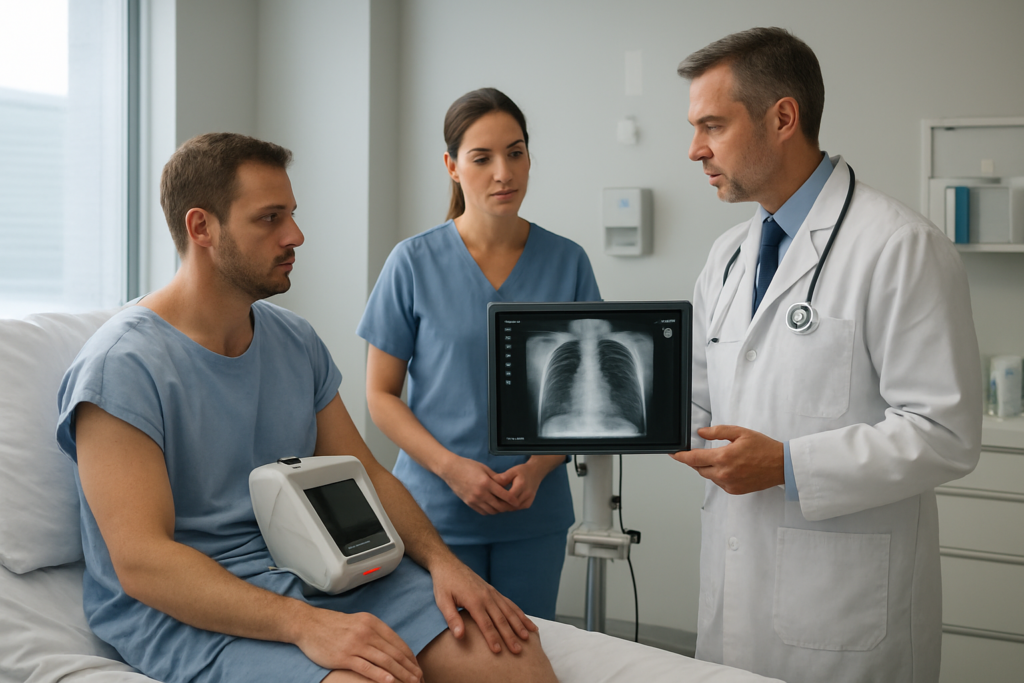
Doctors in Australia are testing a simple bedside scan that could help identify which heart surgery patients are most likely to develop serious lung complications before symptoms appear, according to new reporting on Medical News. The study focuses on a problem that affects around one in four heart surgery patients, making early detection a potentially important step in improving postoperative care.
A practical approach to a common complication
The research, led by an Adelaide team, is examining whether a scan performed at the bedside can flag risk earlier than current practice. The goal is to give clinicians a faster, less invasive way to spot patients who may need closer monitoring after surgery. Medical News said the test is being evaluated before symptoms appear, which could help teams intervene sooner and reduce the chance of severe lung problems developing unnoticed.
Heart surgery often carries a risk of respiratory complications, and the study’s focus on a bedside tool reflects a broader push in medicine toward simpler, more immediate diagnostics. If the approach proves effective, it could be used to help guide decisions on postoperative observation, treatment escalation, and discharge planning.
Why early detection matters
For patients recovering from major cardiac procedures, lung complications can lengthen hospital stays, add pressure to intensive care resources, and increase the complexity of recovery. The new study is notable because it aims to detect risk before the situation becomes clinically obvious, rather than waiting for respiratory distress to emerge. That shift could matter in hospitals where staff need rapid, reliable ways to prioritise care.
At this stage, the report describes a study in progress rather than a finished clinical breakthrough. Still, the idea of a bedside scan that can more precisely predict complications is likely to attract attention from clinicians looking for faster tools that fit into busy hospital workflows. The findings add to a growing body of medical research aimed at making postoperative care more predictive and less reactive.
What happens next
Further results will be needed before any wider use can be considered, but the early message is clear: a simple scan may offer a more efficient way to identify vulnerable patients after heart surgery. If validated, it could become part of routine assessment in surgical wards and recovery units, helping teams act sooner when risk is highest.
For now, the study represents another example of how medical imaging and bedside diagnostics are being adapted to improve everyday hospital care. The key question is whether this practical tool can consistently identify patients who are on course for serious lung complications before symptoms set in.
Photo source: AI-generated or edited image