
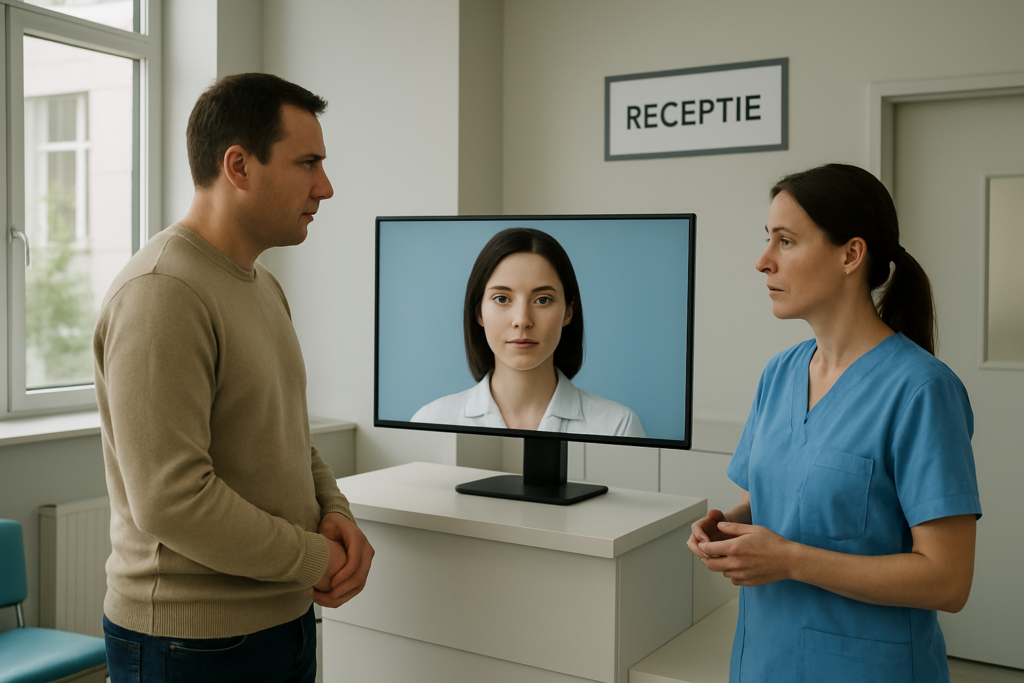
A new report has raised fresh concerns about the use of artificial intelligence in primary care after a GP AI receptionist was found to struggle to understand patients with accents, adding to a growing debate over how digital tools are being deployed in the NHS.
Technology designed to ease pressure now faces scrutiny
The report, published on September 1, 2026, comes at a time when NHS services are under persistent strain and practices are increasingly turning to automation to handle routine demand. But the findings suggest that tools intended to improve access may not yet be working equally well for everyone, particularly patients whose speech patterns differ from the system’s default expectations.
According to The BMJ’s news coverage, the AI receptionist was reported to have failed to understand patients with accents, prompting warnings that such systems could create new barriers rather than remove old ones. The issue is especially significant in general practice, where reception staff and digital triage systems often serve as the first point of contact for patients seeking care.
Broader questions about fairness and access
The concern is not simply technical. If an AI system misunderstands or blocks a caller, the result can be delayed advice, missed appointments, or unequal access to care. In a health service that already faces intense demand, even small failures in digital triage can have real consequences for patients and staff alike.
The BMJ also highlighted other recent NHS developments, including warnings over rising childhood vaccination concerns and ongoing pressure on services, underscoring how quickly technology policy is becoming entangled with wider debates about capacity, safety, and trust. The question now is whether AI tools in primary care can be improved fast enough to meet the needs of a diverse patient population without deepening existing inequalities.
For NHS leaders, the challenge will be to make sure that innovation does not come at the expense of accessibility. As more practices test AI-powered front doors, the standards for accuracy, inclusivity, and oversight will likely become just as important as the promise of efficiency.
Photo source: AI-generated or edited image