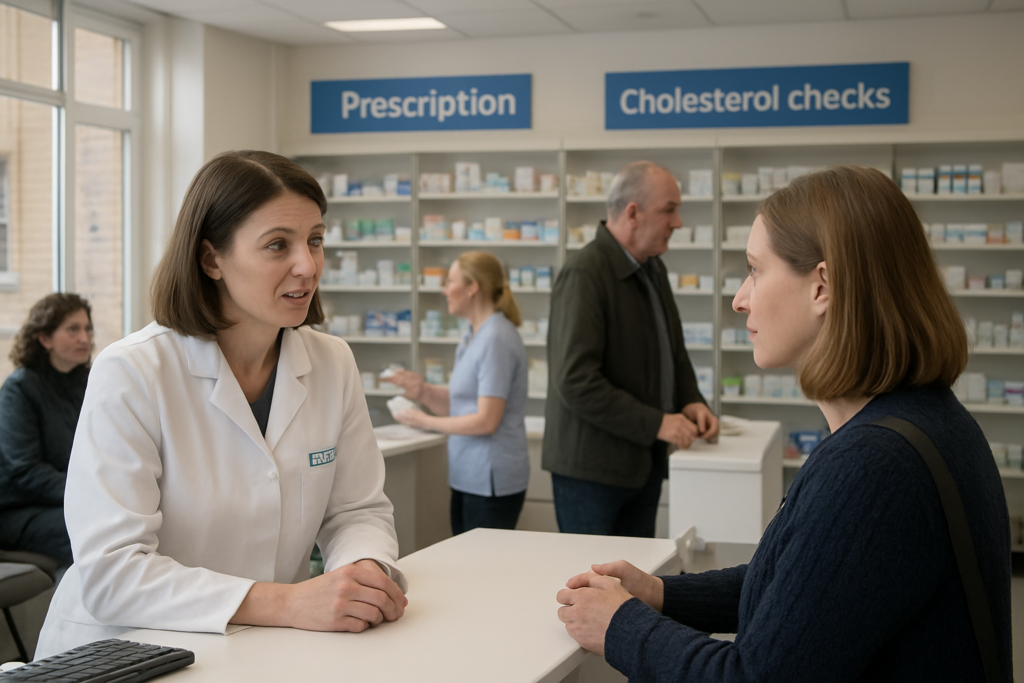
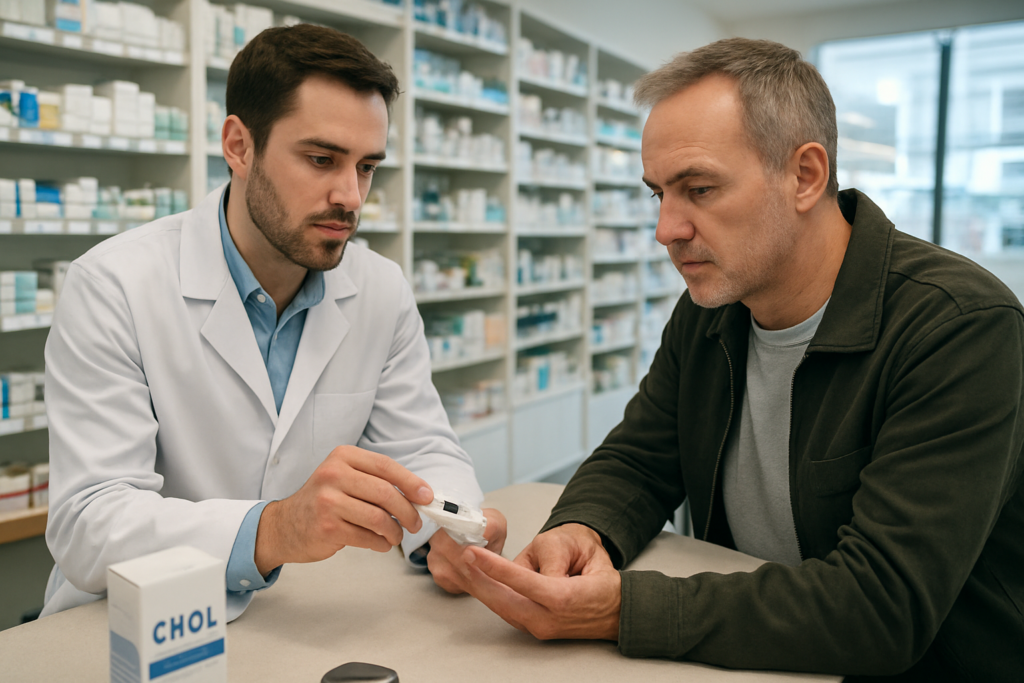
The NHS is set to begin offering around 100 pharmacy-based cholesterol check-ups across England this autumn, in a move officials say is designed to help cut heart disease and stroke deaths by a quarter over the next decade.
The rollout is part of a wider prevention push focused on identifying people at higher risk earlier and making it easier for them to get checked without needing a traditional GP appointment. NHS England said the initiative will be delivered through high street pharmacies, bringing cardiovascular screening closer to communities and potentially reaching people who might otherwise delay testing.
Why the NHS is turning to pharmacies
Heart and circulatory disease remains one of the country’s biggest health burdens, and the new checks are intended to support earlier detection of raised cholesterol, a major risk factor for heart attack and stroke. By moving some checks into pharmacies, the NHS hopes to make access faster and more convenient for patients while easing pressure on other parts of primary care.
The programme also reflects a broader shift toward prevention and routine risk assessment outside hospitals. NHS England described the approach as part of its effort to reduce avoidable cardiovascular deaths over the coming years, with pharmacies expected to play a larger role in front-line screening.
A wider prevention agenda
The cholesterol-check expansion comes alongside other NHS activity aimed at strengthening prevention and treatment pathways for long-term conditions. In recent weeks, the health service has also announced new access to treatments for multiple sclerosis and rare blood cancers, underscoring a busy period for condition-focused NHS policy.
For patients, the practical effect could be simple: a quicker route to understanding cardiovascular risk, with onward referral or treatment if needed. For the NHS, the expectation is that identifying risk earlier may help reduce more serious illness later and support long-term ambitions around heart disease prevention.
While the full impact will depend on uptake and follow-up care, the new pharmacy checks signal another step in bringing preventative medicine closer to everyday life. If successful, they could become a useful model for how community services help detect common disease risk before it turns into emergency care.
Photo source: AI-generated or edited image