The National Institute for Health and Care Excellence has updated its guidance on maternal and child nutrition, setting out revised advice for people who are planning a pregnancy, are pregnant, breastfeeding or caring for children up to the age of five. The new document, NG247, replaces earlier guidance and aims to give healthcare professionals and families clearer, evidence-based advice on healthy eating, supplements and weight management during pregnancy and early childhood. NICE guidance
What the updated guidance says
The guidance covers nutrition and weight management in pregnancy for anyone who may become pregnant, is planning a pregnancy or is already pregnant, as well as nutrition in children up to five years old. NICE says the document does not provide detailed advice on what makes up a healthy diet, but it does stress the importance of independent, non-commercial and evidence-based information for patients and families.
Among the recommendations highlighted in the document are advice on folic acid supplementation before and during pregnancy, vitamin D supplementation for people who are pregnant or breastfeeding, and the need to consider vitamin B12 intake for those following restricted diets such as vegan or gluten-free eating patterns. The guidance also points professionals towards NHS advice on healthy eating in pregnancy, the Eatwell Guide and other public health resources.
Support for healthier eating in pregnancy
NICE recommends that healthcare professionals discuss healthy eating with pregnant people and ask about usual dietary habits and preferences. The document says these conversations should include the benefits of healthy foods and drinks for the pregnant person, the baby and the wider family, alongside foods and drinks that should be encouraged and avoided during pregnancy.
The guidance also says support should be tailored, non-judgemental and culturally sensitive. It encourages services to help people gain the skills and confidence needed to incorporate healthy foods into their diet, including through local cookery classes or group-based activities that promote healthy eating.
Key messages for families and clinicians
For pregnant and breastfeeding people, the guidance repeats UK government advice on vitamin D, including the standard recommendation of 10 micrograms, or 400 IU, a day during certain months and throughout the year for those at increased risk of deficiency. It also notes that people eligible for free Healthy Start vitamins should take one tablet a day.
For babies and children under five, NICE advises parents and carers to follow UK government recommendations on vitamin supplements. It also stresses that professionals should provide consistent information across appointments, including in antenatal care, vaccination visits and other services where nutrition advice may be relevant.
The publication is intended to support healthier outcomes in pregnancy and early childhood by making nutrition advice more accessible and consistent. By focusing on practical advice, supplementation and personalised support, NICE says the updated recommendations can help families navigate some of the most important nutrition decisions in the early stages of life.
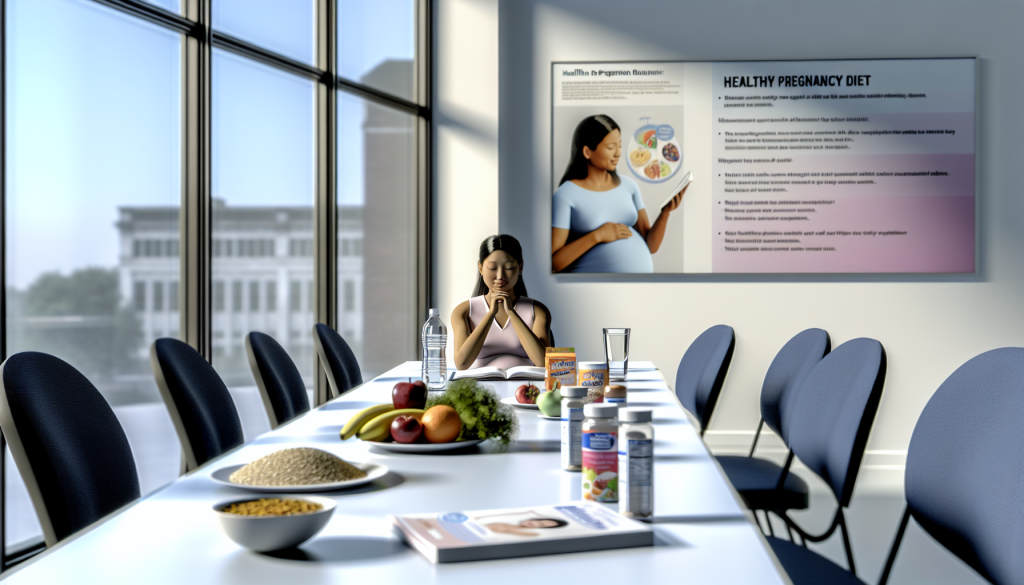
Sursa foto: Imagine generată AI