Emergency departments across the UK are under renewed strain as health leaders warn that people in mental health crisis face serious risks when they arrive at hospitals that are already stretched by crowding and corridor care pressures. Recent reporting has highlighted concern that emergency services are not always able to provide the level of timely support needed for patients experiencing acute psychological distress, creating an increasingly difficult environment for both staff and patients.
Growing pressure on emergency care
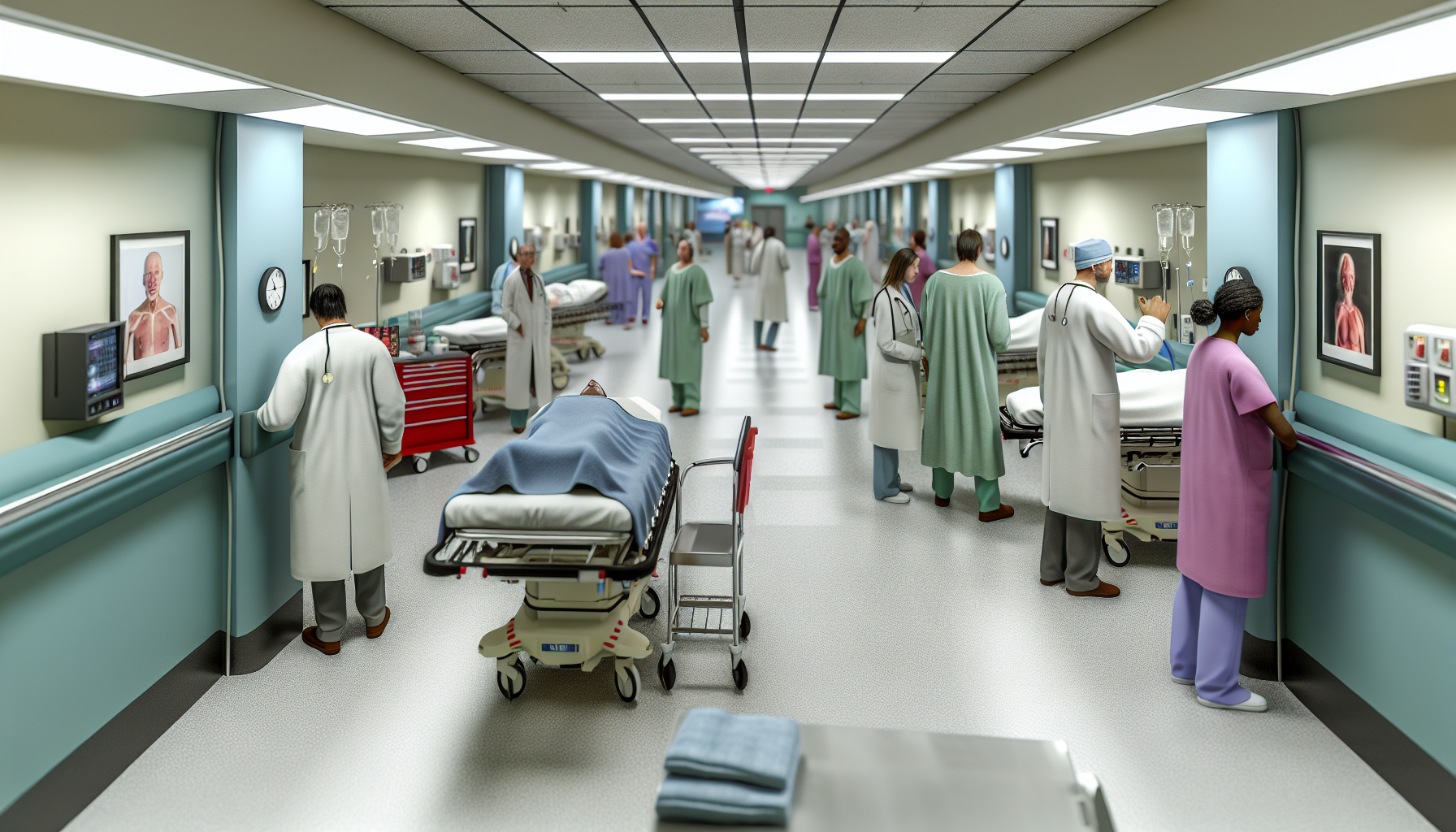
The latest discussion around emergency care has focused on how wider NHS capacity problems are intersecting with mental health needs. Doctors and health commentators have described a system in which patients can face delays, limited privacy, and prolonged waits in busy departments, even when their condition requires urgent attention. The concern is not only about comfort, but about safety, particularly for people who may be at risk of self-harm or need immediate psychiatric assessment.
At the same time, The BMJ has also reported on broader NHS pressure points, including corridor care and debates over workforce and access, reinforcing the sense that emergency medicine remains a major flashpoint in the health system. Those pressures provide the backdrop to warnings about mental health patients being exposed to a setting that may not be designed for rapid, specialised intervention.
Why the issue matters for patients and staff
Health professionals have long argued that emergency departments should be able to stabilise patients in crisis quickly and link them to the right specialist support. When that does not happen, the consequences can include longer stays in A&E, delayed treatment decisions, and a higher burden on already overstretched clinicians. The latest coverage suggests that this is becoming harder to ignore as demand rises and staffing remains under pressure.
The challenge is especially acute for mental health services because crisis presentations often overlap with physical health concerns. That makes fast triage essential, but also more complex. The result, according to the recent reporting, is a system in which emergency departments are being asked to manage a growing number of high-risk cases without the specialist capacity that many patients need.
Calls for better pathways
The message from recent health coverage is that improving outcomes will require more than short-term fixes. Better pathways into crisis support, stronger links between emergency care and mental health services, and more consistent access to specialist assessment are all implied priorities if hospitals are to reduce the risk to vulnerable patients. While the current debate is centred on the NHS, the underlying issue is widely relevant: emergency care systems work best when patients can be matched quickly to the right level of support.
For now, the warning is clear. As mental health need grows and hospital pressures continue, emergency departments may increasingly become the place where system weaknesses are most visible. The question for health leaders is whether the current pace of reform can catch up with the reality facing patients on the frontline.
Photo source: AI-generated or edited image