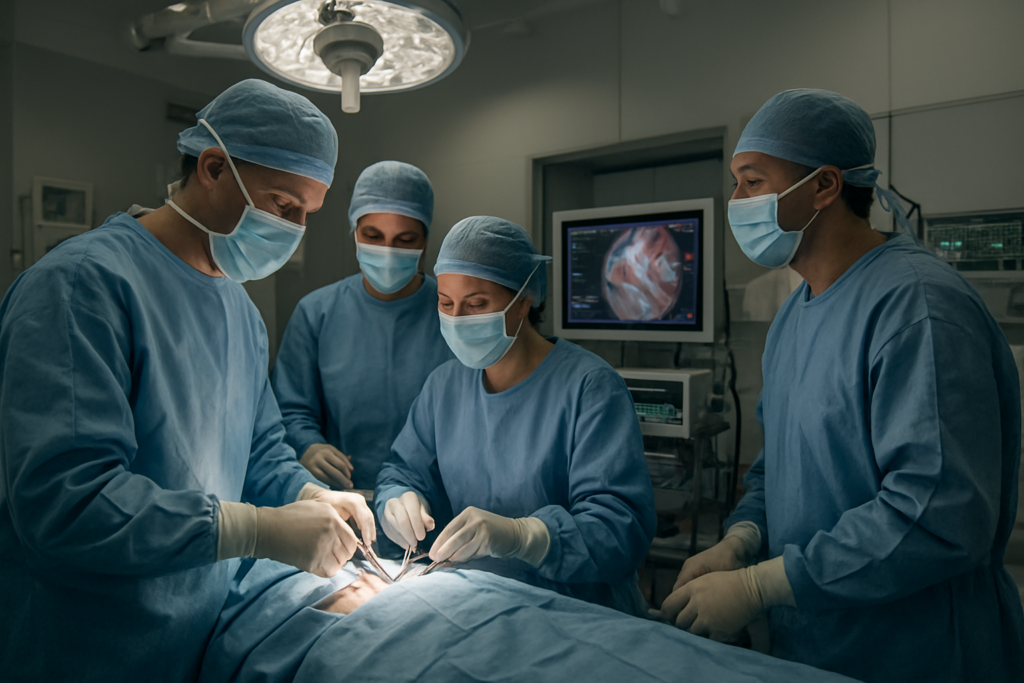
A UK patient has had their sight saved in what reports describe as the first successful AI-assisted brain tumour surgery, a development that adds fresh momentum to a fast-moving field where medical imaging and surgical planning are increasingly being shaped by artificial intelligence. The case stands out not only for the individual outcome, but also for what it suggests about the possible role of AI in helping clinicians make faster and more precise decisions in complex procedures.
The latest report appears alongside a wave of recent medical research and clinical updates showing how digital tools are moving from experimental concepts into practical healthcare settings. In related UK and international coverage, researchers and clinicians have highlighted the growing impact of AI across diagnostics, treatment pathways and surgical workflows, with Nature Health noting that consumer AI is beginning to connect with medical records, appointment booking and other parts of care delivery.
Why this surgery matters
Brain tumour surgery is one of the most demanding areas of medicine, requiring careful navigation around tissue that is both delicate and highly functional. In this context, any technology that can support operative planning or improve the surgeon’s view of critical structures has the potential to affect both clinical outcomes and quality of life. The reported sight-saving result therefore carries significance beyond a single case, especially if future studies confirm that AI-assisted methods can be used safely and consistently in routine practice.
That broader question is already attracting attention in the research community. Recent Nature coverage has shown that neuroscience, cancer treatment and clinical AI are all advancing quickly, while The BMJ has also been tracking how digital tools are entering mainstream care, from hospital record systems to AI-enabled triage and clinical support.
A sign of how quickly medical innovation is changing care
For UK hospitals and research teams, the key issue now is not whether AI will be used in medicine, but how it will be validated, regulated and integrated into everyday decision-making. The reported operation suggests that the technology may already be helping in highly specialised surgery, yet the next steps will depend on formal evidence, larger datasets and careful comparison with existing standards of care.
Recent BMJ reporting on medical research has repeatedly shown how early findings can generate strong public interest before the full evidence base is established, whether in vaccine studies, cancer research or surgical innovation. That makes the cautious interpretation of early AI-assisted results especially important. A single successful case can be encouraging, but it does not by itself establish effectiveness across different patients, tumour types or surgical teams.
What comes next for researchers and clinicians
If further studies replicate the early promise, AI-assisted brain surgery could become part of a wider shift toward precision medicine in neurology and oncology. For now, the case serves as a reminder that the most important advances in medical research often arrive first as isolated, carefully documented examples before they are tested in larger trials.
In the UK, where the NHS continues to face pressure to improve access, efficiency and outcomes, technologies that genuinely support clinicians without replacing clinical judgement are likely to draw intense scrutiny. The reported success in brain tumour surgery will therefore be watched closely by both researchers and healthcare leaders looking for practical innovations that can translate into safer care.
Photo source: AI-generated or edited image