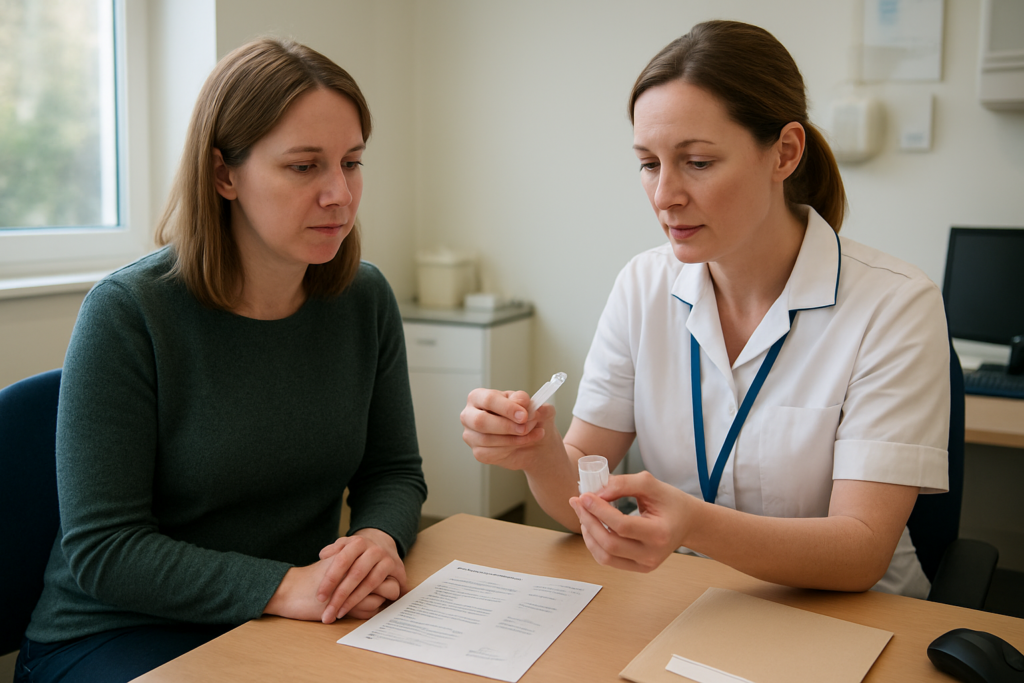

The NHS has announced that around 100 pharmacies in England will begin offering seven-minute cholesterol check-ups this autumn, as part of a wider effort to reduce deaths from heart disease and stroke over the next decade. The service is aimed at people aged 40 to 84 who are not pregnant and have not had a blood test in the past year, giving patients a faster route to understanding their cardiovascular risk.
The move comes as the health service continues to push prevention closer to communities, with pharmacies increasingly used as a first point of contact for routine checks and advice. NHS England said the pharmacy-based service is designed to help identify people who may need follow-up care, treatment or lifestyle support before more serious problems develop.
Why the pharmacy rollout matters for heart health
Cholesterol is one of the key risk factors linked to heart disease and stroke, and NHS leaders have framed the new rollout as part of a broader prevention strategy. By offering checks in high-street pharmacies, the service is intended to make testing more convenient for patients who might otherwise delay or miss routine blood work. The NHS said the programme is part of its drive to reduce heart disease and stroke deaths by a quarter over the next decade.
The timing also reflects a wider shift in NHS care delivery, with more services being moved out of hospitals and into local settings. For patients, that could mean quicker access to assessment, earlier identification of risk and, if needed, faster referral for treatment.
How the service fits into wider NHS prevention plans
The announcement follows other recent NHS prevention measures, including expanded pharmacy services and winter preparedness campaigns. NHS England has also recently highlighted the role of pharmacies in helping deliver more accessible care for a range of common health needs, showing how the organisation is trying to ease pressure on GPs and hospitals while improving patient access.
While the new cholesterol checks will not replace full clinical assessment, they may help identify people who would benefit from further testing or advice. For a health system under pressure, that kind of earlier intervention can be significant, particularly when cardiovascular disease remains one of the major causes of illness and premature death.
The pharmacy rollout is expected to begin this autumn, with NHS England presenting it as one more step in a longer-term plan to catch disease earlier and reduce avoidable harm. If the service is widely used, it could give thousands of people a simpler route into prevention-focused care.
Photo source: AI-generated or edited image