
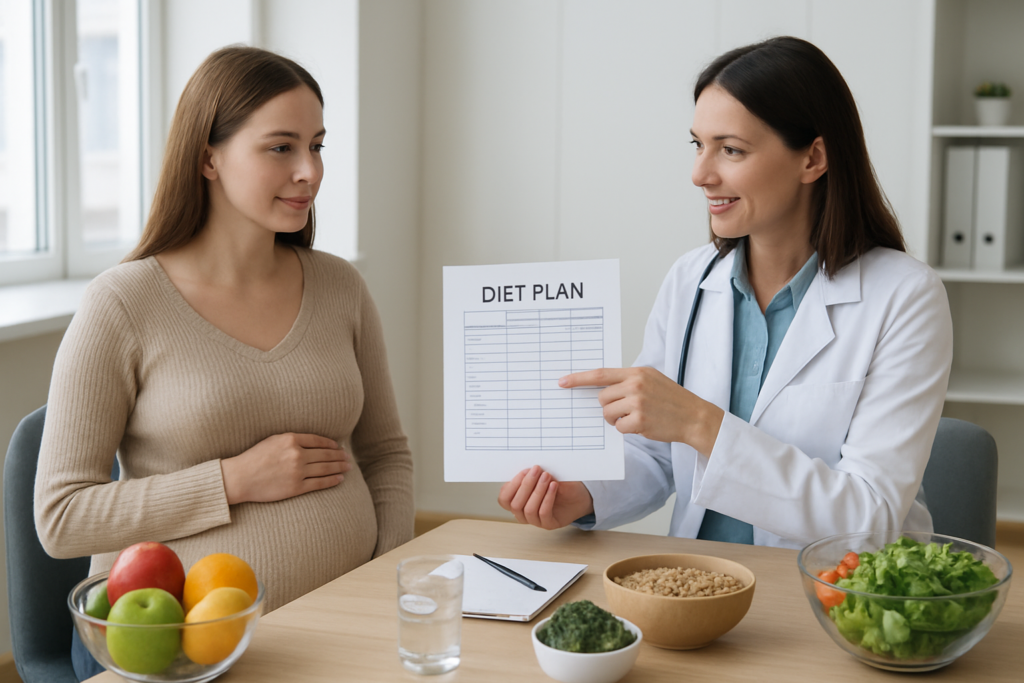
A new cohort study published on Tuesday in the European Journal of Clinical Nutrition suggests that what mothers eat during pregnancy may be associated with measurable differences in newborn health outcomes, adding to the growing body of research on maternal nutrition and fetal development.
The study, titled From mother’s plate to newborn’s health: dietary patterns and pregnancy outcomes—a cohort study, examined maternal dietary patterns during pregnancy and their links to fetal growth and birth outcomes. The authors say the evidence on population-specific maternal dietary patterns remains limited and partly inconsistent, making new data in this area especially relevant.
Why pregnancy diet is drawing fresh attention
Researchers noted that maternal nutrition during pregnancy significantly influences both maternal and neonatal health outcomes, but distinct dietary patterns have not been fully explored across populations. The paper also points to social and environmental factors, including socioeconomic status, cultural norms and the food environment, as influences on access to healthy foods and the ability to follow dietary recommendations.
The study fits into a broader discussion among health authorities that diet and lifestyle counselling during pregnancy may help improve outcomes and reduce long-term disease risk. The authors say that despite these recommendations, evidence remains incomplete on how specific dietary patterns relate to fetal growth and birth outcomes.
What the study adds
According to the article’s abstract, the research was designed to explore maternal dietary patterns during pregnancy and their association with pregnancy outcomes in a cohort setting. The study was published as open access on 2 September 2026.
While the paper underscores the importance of pregnancy nutrition, it does not present a simple one-size-fits-all conclusion. Instead, it highlights the need for more population-specific evidence before firm dietary recommendations can be refined further.
Growing momentum in nutrition research
The new paper arrives amid continued scrutiny of diet-related health risks and the role of nutrition policy in preventing disease. Recent BMJ coverage has also emphasized the wider public health burden of unhealthy diets and obesity, reinforcing why nutrition research remains a major focus in the UK and beyond.
For clinicians and policymakers, the practical message remains clear: pregnancy is a key window for nutritional support, but the evidence base still needs to grow before every dietary pattern can be tied confidently to a specific outcome. As research continues, the findings may help shape more tailored guidance for expectant mothers and the professionals who support them.
Photo source: AI-generated or edited image