The NHS has begun rolling out discreet home-testing kits for cervical cancer to millions of women in England, in a move designed to boost screening uptake among those who have not attended routine appointments after their invitations.
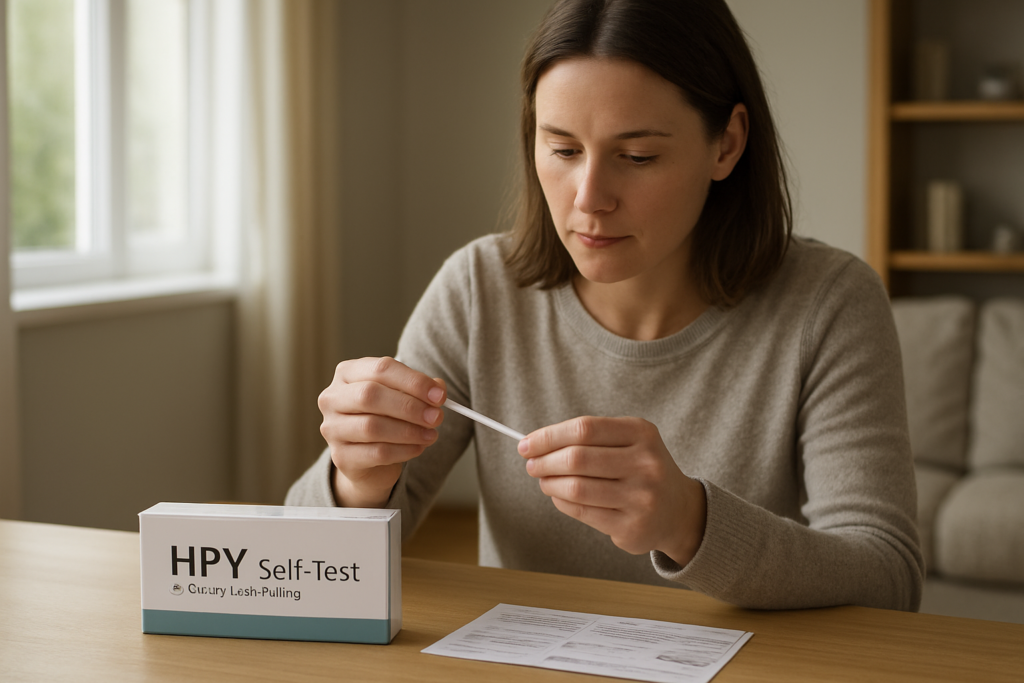
According to NHS England, nearly 4 million women will be offered HPV self-testing kits as part of the programme, which started on 25 August 2026. The kits are intended to make it easier for women to take part in screening by completing the test at home and returning it for analysis, rather than attending a clinic in person.
How the new screening approach is being positioned
The programme is focused on detecting human papillomavirus, or HPV, which NHS England describes as a key step in identifying potential risk for cervical cancer. The organisation says the self-testing kits are being introduced to encourage more women to complete screening after missing earlier invitations.
The rollout follows other recent NHS prevention measures aimed at expanding access to checks and treatments across community settings. In this case, the emphasis is on reducing barriers to cervical screening for women who may find it difficult to attend appointments or who have previously delayed testing.
Why the rollout matters for prevention
Screening remains one of the main tools for spotting problems early, before symptoms appear. By offering a home-based option, the NHS is hoping to improve participation among women who have not taken up standard cervical screening, widening access to a test that can help detect HPV-linked changes before they become more serious.
The programme is part of a broader public health push to make preventive care more convenient. NHS England says the kits are being rolled out from 25 August 2026, with the goal of reaching women who would otherwise remain outside routine screening pathways.
For more on the NHS announcement, see NHS England News. For background on cervical screening and HPV, see NHS cervical screening guidance.
A wider push to improve uptake in women’s health
The self-testing rollout comes amid continued efforts to improve preventive care delivery across England, especially where attendance rates have lagged. NHS England says nearly 4 million women are being offered the kits, signalling the scale of the programme and the importance placed on screening uptake.
While the move is framed as a practical change in how screening is accessed, its public health aim is straightforward: to help more women take part in a test that can identify HPV and support earlier intervention if follow-up is needed. The NHS says the kits are part of its attempt to make lifesaving screening more accessible to women who have not yet responded to traditional invitations.
Photo source: AI-generated or edited image