
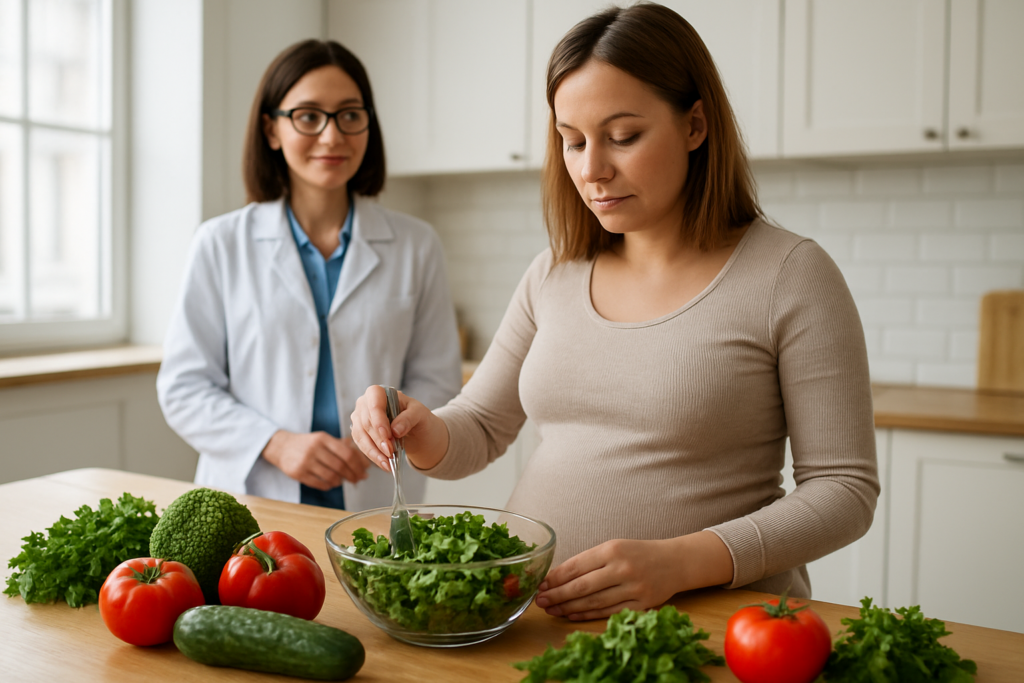
A new cohort study published on September 2, 2026, suggests that what pregnant women eat may be linked not only to their own health, but also to measurable differences in newborn outcomes. Researchers analysing data from 1,404 pregnant women in Germany identified four distinct dietary patterns and found that the vegetable-rich pattern was associated with higher gestational age at birth and greater birth length compared with selected other patterns.
The study, published in the European Journal of Clinical Nutrition, used Food Frequency Questionnaire data from participants in the LIFE Child cohort collected between 2011 and 2025. The authors applied hierarchical clustering to identify dietary patterns and then examined their relationships with maternal characteristics and infant birth outcomes.
Four dietary patterns emerged from the pregnancy data
According to the research, the women in the cohort clustered into four broad dietary groups: mixed-diet, traditional bread-based, high-ultra-processed foods, and vegetable-rich. The study reported significant differences in maternal characteristics across these patterns, including pre-pregnancy body mass index and gestational weight gain.
Women following the high-ultra-processed foods pattern had the highest pre-pregnancy BMI and the highest gestational weight gain, while those in the vegetable-rich group had the lowest pre-pregnancy BMI. The findings point to clear nutritional differences during pregnancy that may matter for both maternal and infant health.
Signals in newborn outcomes were strongest in the vegetable-rich group
Infants born to mothers in the vegetable-rich pattern had a significantly higher gestational age at birth and greater birth length than those in selected other dietary groups. The study also found that mothers in the high-ultra-processed foods group had the lowest proportion of infants born appropriate for gestational age, although those differences were not statistically significant.
Researchers said the results support the importance of early nutritional information in pregnancy care. The study concludes that maternal dietary patterns during pregnancy were associated with maternal characteristics and selected neonatal outcomes.
Why the findings matter for pregnancy care
The research adds to a growing body of evidence that pregnancy nutrition can influence health outcomes beyond the mother alone. While the study does not establish causation, it highlights an association between dietary patterns and newborn measures that clinicians and public health teams may find relevant when discussing nutrition with expectant mothers.
The authors emphasised that maternal nutrition during pregnancy is a key determinant of maternal and neonatal health, and that inadequate nutrient intake can have adverse effects on pregnancy outcomes and long-term child health.
For now, the results reinforce a familiar message with renewed detail: dietary quality during pregnancy may matter, and patterns rich in vegetables could be linked to more favourable early-life outcomes. The findings were published on September 2, 2026, and may inform future pregnancy nutrition guidance and research.
Photo source: AI-generated or edited image