Childhood vaccination rates in the UK have fallen in babies, even as coverage appears to stabilise by age five, according to a new report highlighted by The BMJ on September 1, 2026. The findings add fresh concern to a public health picture already shaped by pressure on NHS services, mixed uptake of routine immunisations and continuing debate over how best to rebuild trust in preventive care. The BMJ news page
Falling uptake in early childhood raises alarm
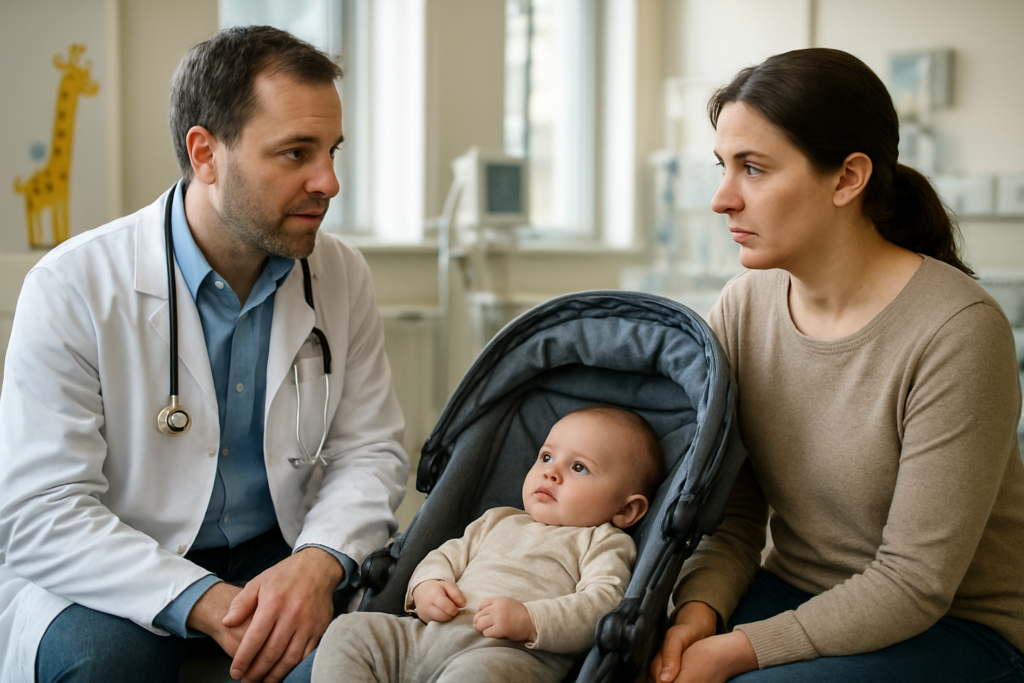
The BMJ said the latest report shows a decline in vaccination rates among babies, while coverage at age five has stabilised. That pattern matters because the earliest months of life are when children are most vulnerable to serious infectious disease, and gaps in uptake can leave communities exposed to outbreaks that are otherwise preventable.
Health leaders have repeatedly warned that falling immunisation coverage can create wider risks for schools, nurseries and healthcare settings. The latest trend suggests the challenge is not simply one of access, but also of timing, consistency and sustained engagement with families during the first stages of childhood care.
Why the latest figures matter for the NHS
The UK health system has faced intense scrutiny this year over demand, staffing and digital reform, but immunisation remains one of the most basic tools available to reduce avoidable illness. A dip in baby vaccination rates can increase the likelihood of outbreaks of diseases such as measles and whooping cough, placing further strain on primary care and hospital services.
The BMJ’s report comes amid a stream of recent medical news showing continuing concern over public health preparedness. While some areas of child health may be stabilising, the fall in early uptake suggests the NHS and public health teams may need to focus more heavily on outreach, communication and routine follow-up during infancy.
A warning sign rather than a full recovery
Stability at age five is encouraging, but it does not cancel out the concern created by reduced uptake earlier in life. Preventive care works best when protection is built before exposure, not after. For that reason, the latest findings are likely to be read as a warning sign that the system is still missing families at the point where vaccination has the greatest impact.
For UK health services, the message is clear: improving childhood vaccination is not only about meeting targets, but about preventing avoidable harm. If the decline among babies is not reversed, experts may soon be dealing with consequences that extend well beyond the clinic, from local outbreaks to renewed pressure on already stretched services.
The latest BMJ report suggests that while some progress has been made, the first year of life remains a critical weak point in the UK’s public health defences.
Photo source: AI-generated or edited image