
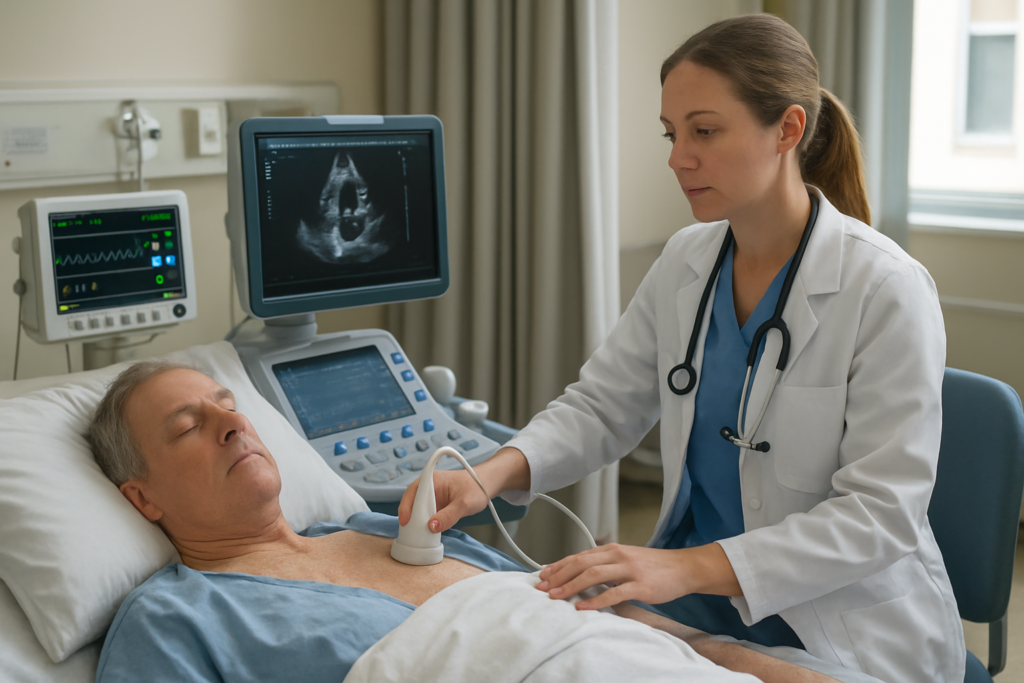
Researchers in Australia are testing a simple bedside scan that could help predict which heart surgery patients are most likely to develop serious lung complications, a problem that affects around one in four patients after surgery. The study, highlighted in recent medical news coverage, aims to identify risk before symptoms appear and could give clinicians a faster way to target monitoring and support.
A practical tool for a common post-operative complication
Post-operative lung complications remain a major challenge in cardiac care, because they can prolong recovery and increase the need for further treatment. The new approach is notable not for its complexity, but for its potential to be used at the bedside, where clinicians often need quick answers to guide care decisions.
According to the report, the Adelaide-led study is testing whether the scan can help predict risk before visible symptoms develop. If validated, the method could complement existing clinical assessments and allow teams to focus resources on patients who may need closer observation after surgery.
Why the finding matters for hospitals and patients
Even modest improvements in predicting complications can matter in high-pressure surgical settings. A tool that helps clinicians spot risk earlier could support more personalized follow-up, reduce avoidable deterioration, and improve the efficiency of post-operative care pathways.
The development is also relevant to the UK’s broader medical research landscape, where hospitals and research teams continue to look for practical innovations that can be translated into routine care. Recent UKRI and BMJ coverage has shown continued momentum in clinical research and medical news across areas ranging from cancer to public health.
What happens next
The scan is still being tested, and the available report does not indicate that it is already in routine use. Further validation will be needed before it can be considered for wider adoption. For now, the study adds to a growing body of work focused on earlier, more precise risk prediction in surgery.
If the results hold up, the technique could become a useful addition to perioperative assessment, especially for teams trying to reduce avoidable complications and improve recovery after major heart operations.
Photo source: AI-generated or edited image