
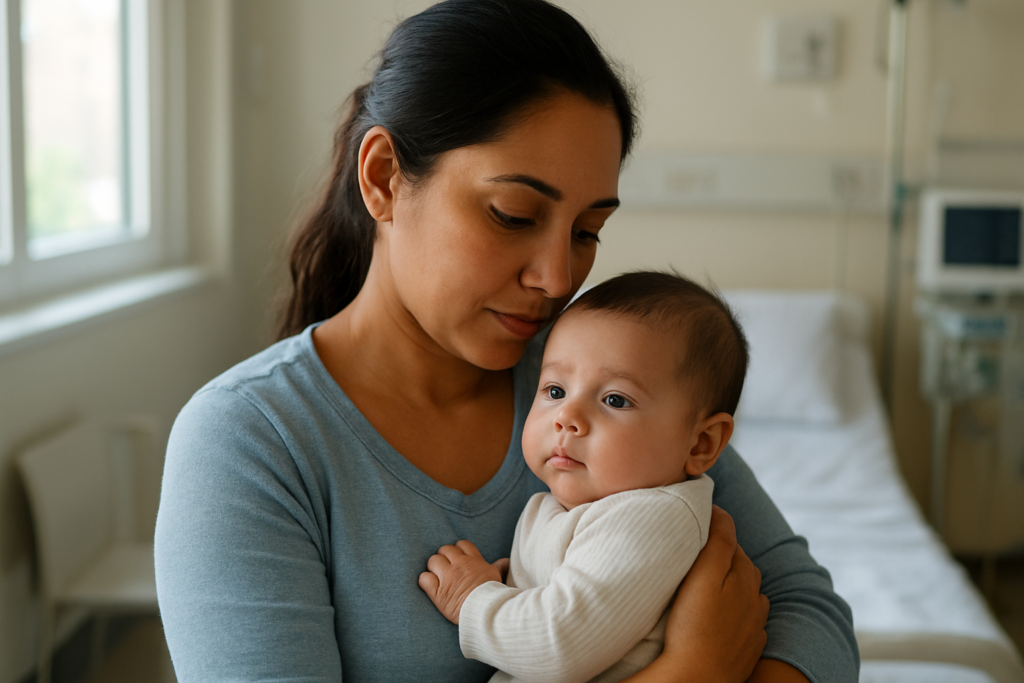
A new multicenter study published on September 2, 2026 suggests that human milk feeding after neonatal intensive care unit discharge may be associated with fewer respiratory problems in young children with bronchopulmonary dysplasia, a chronic lung condition that affects some premature infants. The research, published in Pediatric Research, adds to growing evidence that nutrition can influence longer-term outcomes well beyond the hospital stay.
What the study found
The retrospective longitudinal cohort study followed children under 2 years of age seen in outpatient BPD clinics. Researchers divided participants into two groups based on post-NICU human milk exposure: any human milk versus none. Among 1,731 children, 445 received human milk after NICU discharge and 1,286 did not.
After adjustment for potential confounders, human milk consumption was associated with lower odds of sick visits, emergency department visits, antibiotic prescriptions, steroid prescriptions, and beta-agonist use in the previous three months. The study also found an association with fewer parent-reported chronic respiratory symptoms, suggesting that the benefits of human milk may extend into the outpatient period.
Why it matters for premature infants
Bronchopulmonary dysplasia can leave children vulnerable to ongoing breathing difficulties, recurrent illness and repeated healthcare use. The authors said post-NICU human milk intake may be a modifiable factor that could help improve respiratory outcomes in this population, although they stressed that more research is needed to confirm the findings and understand the mechanisms involved. The study was multicenter and observational, so it shows association rather than proof of causation.
The report builds on earlier work suggesting that human milk can help protect infants with BPD, but it focuses specifically on what happens after discharge from the NICU, a period that has received less attention in previous studies.
Next questions for researchers
The authors called for further investigation using quantitative time-adjusted analyses, longer follow-up and studies that examine barriers to human milk use after discharge. That next step could help clarify how feeding choices affect respiratory health in children with BPD and whether targeted support for families might improve outcomes.
The study was published online in Pediatric Research on September 2, 2026. It adds a timely piece to the wider medical debate over how early-life nutrition shapes later health, especially for babies born very prematurely.
Source: Pediatric Research study
Photo source: AI-generated or edited image