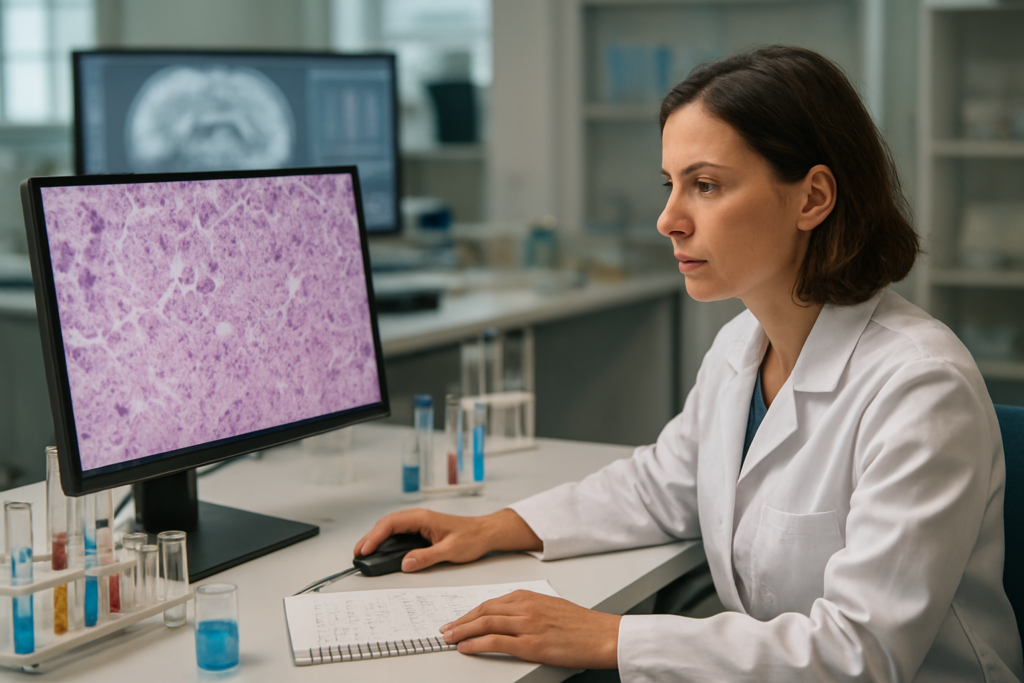
A new study published in Nature Medicine suggests that the brains of people with major depressive disorder may be less able to produce new neurons in the hippocampus, a finding that could help shape future research into the biology of depression and potential therapies. The accompanying Nature news report says the work includes the most comprehensive map to date of cell types in the human adult hippocampus, a brain region involved in learning, memory and emotion.
What the researchers found
According to Nature, the study found evidence that adult hippocampal neurogenesis appears to be dysregulated in people with major depressive disorder compared with controls. The report notes that the findings do not prove impaired neurogenesis causes depression, and that depression involves multiple brain areas, not only the hippocampus.
Researchers also cautioned that the study did not detect a lower proportion of immature neurons in people with depression in the way one might expect if neurogenesis had simply stopped altogether. That means the results point to a more complex disruption in brain cell development rather than a single, straightforward deficit.
Why the finding matters
The hippocampus has long been of interest to scientists studying depression because of its role in mood, memory and stress response. Nature says the new dataset offers a high-resolution view of human brain cell types, which could help researchers identify pathways relevant to treatment development.
While the results are early and do not immediately change clinical care, they add to a growing body of evidence that depression is tied to measurable biological changes in the brain. The study may help refine future work on how antidepressant strategies could support neuroplasticity and cell development over time.
What happens next
Experts quoted in the Nature report emphasized that the findings should be interpreted carefully. The study strengthens the case for continued brain-based research into depression, but it does not establish a direct cause-and-effect relationship. Further work will be needed to determine whether these cellular changes can be targeted in a meaningful way for patients.
For now, the research offers a fresh look at one of psychiatry’s most studied conditions and underscores how much remains to be learned about the biology behind depression.
Read the study in Nature Medicine
Photo source: AI-generated or edited image