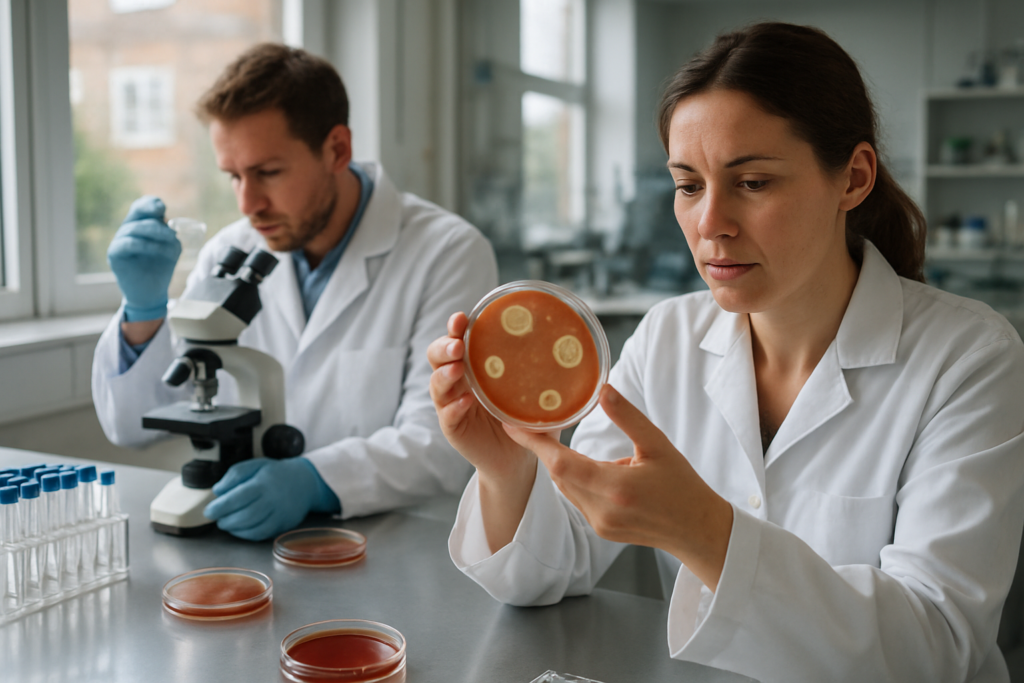
New research highlighted by Nature this week points to an additional infection control concern in Staphylococcus aureus: reduced antiseptic susceptibility mediated by multidrug efflux pumps in drug-resistant isolates. The study, published on 10 October 2026 in Scientific Reports, examined chlorhexidine susceptibility status, efflux pump gene distribution and genotypic characteristics among clinical methicillin-resistant and methicillin-susceptible S. aureus isolates. Nature says the findings add to concern about how resistant bacteria may respond not only to antibiotics but also to antiseptic exposure in healthcare settings.
Why the finding matters for hospitals and infection prevention
S. aureus remains one of the most closely watched pathogens in clinical microbiology, in part because methicillin resistance continues to complicate treatment and infection control. Nature’s summary of the new study says multidrug efflux pumps may reduce susceptibility to chlorhexidine, a widely used antiseptic, raising the possibility that some resistant strains may be better equipped to survive routine control measures than previously assumed.
The report does not claim that chlorhexidine has lost its value, but it does underscore why surveillance of both antibiotic and antiseptic response remains important. The study’s focus on clinical isolates also makes the findings relevant to real-world hospital practice, where hand hygiene, skin preparation and environmental disinfection are central to preventing transmission.
What the latest Nature coverage adds to the microbiology picture
Nature’s medical microbiology listings show the 10 October 2026 paper alongside other current work on antimicrobial resistance, including a machine-learning framework for prioritizing sensitivity in Klebsiella pneumoniae resistance profiling and a review of the respiratory microbiome in acute and chronic respiratory disease. Taken together, the recent coverage reflects continued interest in how microbial adaptation, resistance mechanisms and host interaction shape infection risk.
For clinicians and infection prevention teams, the broader message is straightforward: resistance is not limited to treatment failure alone. The interaction between bacteria, disinfectants and hospital workflows may influence how effectively infections are contained, especially when organisms already under selective pressure evolve additional survival strategies. That is an inference based on the study’s emphasis on chlorhexidine susceptibility and efflux pump genes.
Clinical relevance beyond the laboratory
Although the Nature listing provides only a brief summary, the topic aligns with a broader and ongoing concern in infection control: resistant pathogens may carry traits that complicate both therapy and prevention. The new paper’s focus on methicillin-resistant and methicillin-susceptible isolates suggests the issue is not confined to one resistance profile, but may extend across clinically important S. aureus populations.
As hospitals continue to manage high volumes of bacterial infections, studies like this help explain why microbiology remains central to public health preparedness. Understanding whether reduced antiseptic susceptibility is emerging, and how frequently it appears in routine clinical isolates, will be important for future surveillance and control strategies.
For now, the Nature report adds a timely reminder that infection control depends on more than choosing the right antibiotic. It also depends on preserving the effectiveness of antiseptics and on tracking the genetic changes that help pathogens persist in clinical environments.
Photo source: AI-generated or edited image