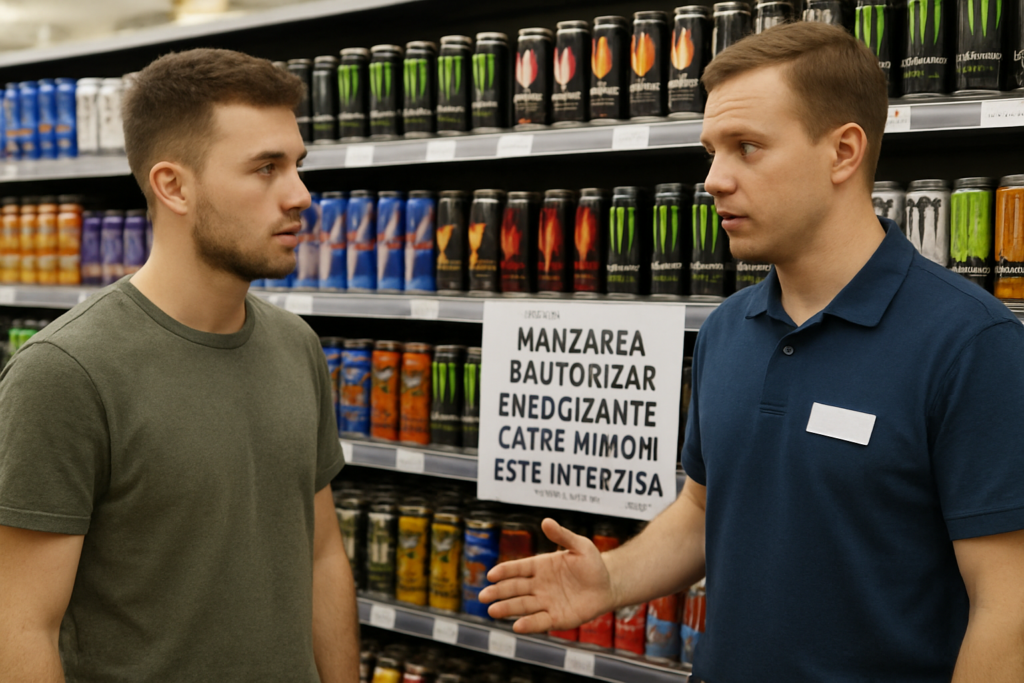
England will ban the sale of high-caffeine energy drinks to under-16s from April 2027, after the government set out new legislation aimed at protecting children’s health. Drinks containing more than 150 mg/L of caffeine will be illegal to sell in all retail settings, including shops, cafes, vending machines and online.
The move will not cover tea, coffee or lower-caffeine soft drinks such as Diet Coke, but it will affect popular products including Monster Energy’s original green energy drink and the original Red Bull energy drink, both of which contain 320 mg/L of caffeine. The proposed ban still needs parliamentary approval.
Why ministers say the ban is needed
The policy follows a government consultation on the issue last year. Public health minister Sharon Hodgson said the measure showed the government’s commitment to creating the healthiest generation of children ever.
The BMJ reported that the government estimates around 100,000 children in England drink high-caffeine energy drinks every day. Officials say the restriction is intended to support healthier habits from an early age and reduce the risks linked to excessive caffeine intake.
Health concerns extend beyond caffeine
High-caffeine energy drinks are also often high in sugar, raising concerns about tooth decay and wider diet-related harms. As the BMJ noted, reducing children’s access to these drinks is expected to help protect dental health as well as encourage better long-term dietary choices.
The announcement places energy drinks firmly within the broader public health debate around diet, childhood habits and preventable disease. While the legislation focuses on age-based sales restrictions, it also reflects continuing concern in the UK about the role of sugary and stimulant-heavy products in children’s daily diets. For more details, see The BMJ report.
The ban is set to take effect in April 2027 if parliament approves the legislation. Until then, retailers and manufacturers will be watching closely as the government moves a step closer to formally restricting sales of the drinks to younger teenagers.
Photo source: AI-generated or edited image