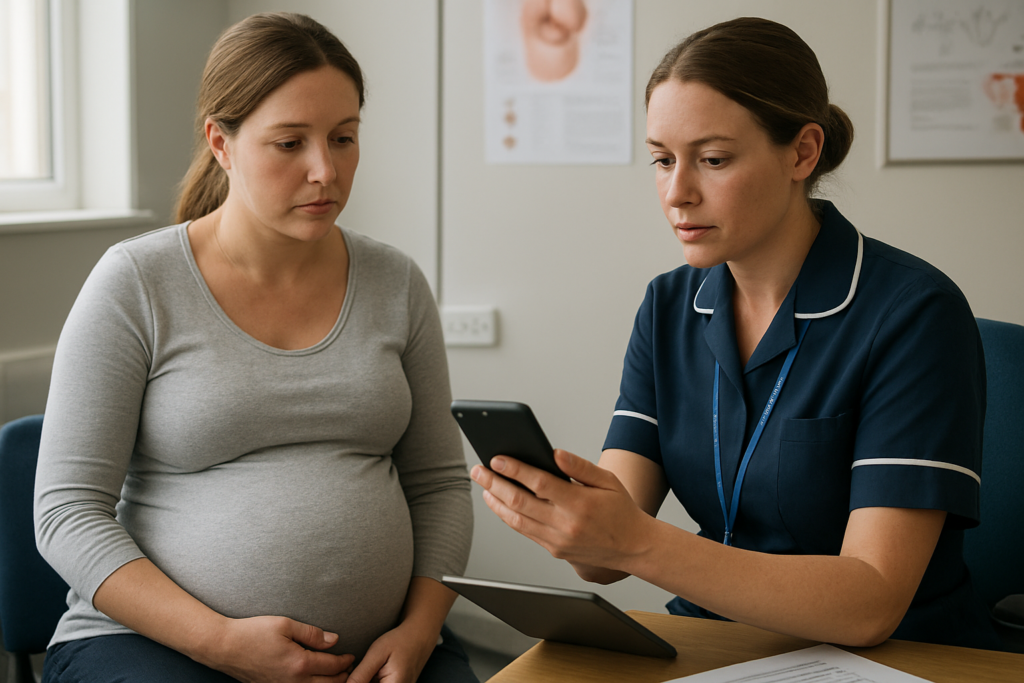
A personalized mobile health coaching programme has been linked to a significant reduction in gestational diabetes among high-risk pregnant women, according to new research highlighted this week. The findings add to growing evidence that digital coaching tools can support care outside the clinic when they are integrated into a wider treatment plan.
What the study reported
The research described a continuous, personalized mobile health coaching programme for pregnant women at elevated risk of gestational diabetes. It found that the intervention could significantly reduce the incidence of gestational diabetes, independent of changes in maternal weight. The study was published in the Lancet Digital Health and was also summarized by News Medical on 13 November 2026.
The results are notable because they point to a digital approach that does more than track symptoms or send reminders. By combining personalized coaching with ongoing support, the programme appears to have influenced health outcomes in a clinically meaningful way.
Why digital coaching matters in maternity care
Gestational diabetes remains a major concern in pregnancy because it can affect both maternal and infant health, and it often requires timely monitoring and behaviour change. A mobile coaching model may help bridge gaps between appointments by keeping patients engaged with practical support and guidance in real time.
In this case, the reported benefit did not depend on weight change alone, which suggests that the coaching may have supported other aspects of self-management as well. That could include adherence to lifestyle advice, improved awareness of risk, or more consistent day-to-day decision-making, although the cited summary does not provide further detail on those mechanisms.
A broader shift toward patient-facing digital support
The new findings arrive amid wider interest in digital tools that extend care beyond the hospital or surgery. Recent research in the field has explored AI-driven health coaching, digital assistants and other patient-facing systems designed to improve understanding, motivation and follow-through. Nature has also recently discussed the rise of personal health agents, underscoring how quickly the area is evolving.
For health systems, the appeal is clear: scalable support that can be delivered between visits and tailored to the individual. The challenge remains ensuring that these tools are evidence-based, usable and able to complement, rather than replace, clinical care.
What comes next
While the reported results are encouraging, the real test will be whether programmes like this can be implemented consistently in routine care and whether benefits hold across broader populations. For now, the study adds momentum to the case for digital coaching in maternity services, particularly when the aim is prevention rather than treatment after complications arise.
As digital health continues to expand, the most promising tools may be those that combine personalization, clinical relevance and ongoing engagement. This study suggests mobile coaching may be one of them.
Photo source: AI-generated or edited image