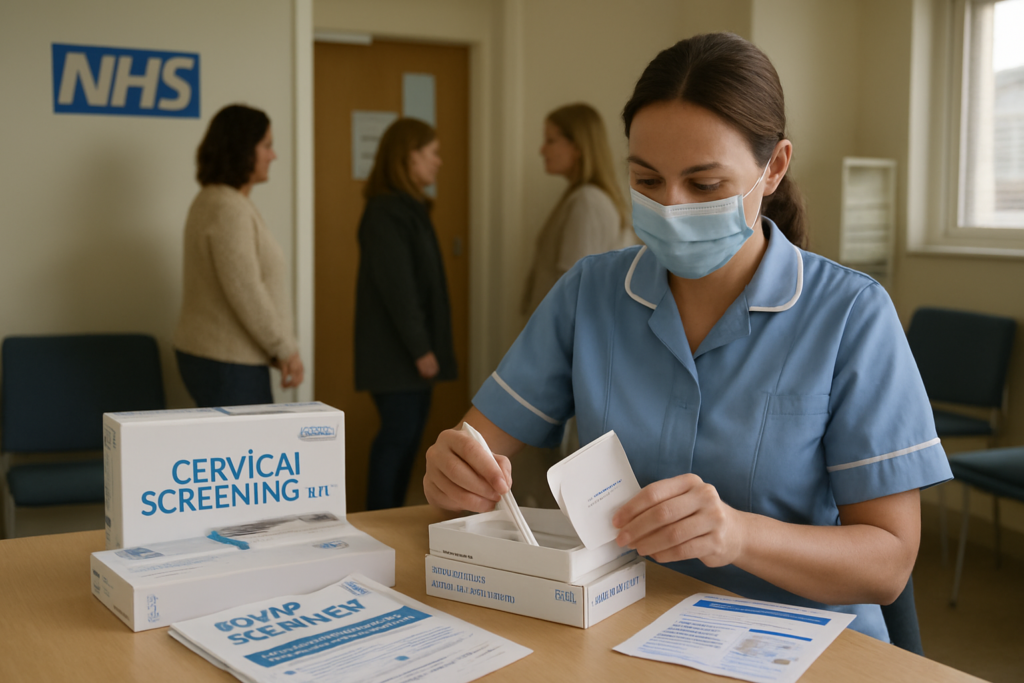
The NHS is preparing to trial wearable devices for patients at risk of sepsis, in a move aimed at spotting deterioration earlier and reducing deaths from the condition. The pilot, which will run in selected hospitals, is part of a broader plan to prevent thousands of sepsis deaths by 2035.
How the proposed system would work
According to The BMJ, the devices could include watches, bracelets and mobile phone technology that monitor vital signs such as blood pressure and heart rate at home. If the readings suggest a patient is becoming unwell, the system would automatically flag the deterioration and alert hospital staff that sepsis testing may be needed. The approach is intended to help clinicians intervene sooner, when treatment is most likely to be effective.
The trial reflects growing interest in remote monitoring as the health service looks for ways to identify high-risk patients before their condition worsens. Sepsis can progress rapidly, and delays in recognition remain a major concern for frontline teams. The planned pilot is designed to test whether wearable technology can improve that early warning window in a real NHS setting.
A wider effort to reduce avoidable harm
The proposal forms part of a new blueprint to reduce sepsis deaths by 2035, with the NHS focusing on faster detection rather than relying solely on in-person assessment. The BMJ report says the devices will be offered to at-risk patients, suggesting the programme is targeting people most likely to benefit from closer observation at home.
Supporters of the plan say earlier alerts could give clinicians more time to test for sepsis and begin treatment. That could matter in a condition where symptoms may be nonspecific at first, making it easy to miss until a patient is significantly worse. The pilot will be watched closely for evidence that home monitoring can meaningfully reduce admissions, complications and deaths.
What happens next
The pilot will be limited to selected hospitals at first, with the results likely to shape any future expansion across the NHS. If successful, the programme could become one of the service’s most visible uses of wearable technology for acute deterioration, linking home monitoring with faster specialist response.
For now, the initiative marks another sign that the NHS is looking to digital tools to strengthen prevention and surveillance. Whether the technology can deliver on that promise will depend on how accurately it identifies risk, how quickly alerts are acted on, and whether clinicians and patients can make the system work at scale.