A free smartphone app using AI-driven health coaching, blood pressure monitoring and behavioral incentives helped patients achieve meaningful improvements in blood pressure control when it was folded into routine hospital workflows, according to a new report from Rush University Medical Center.
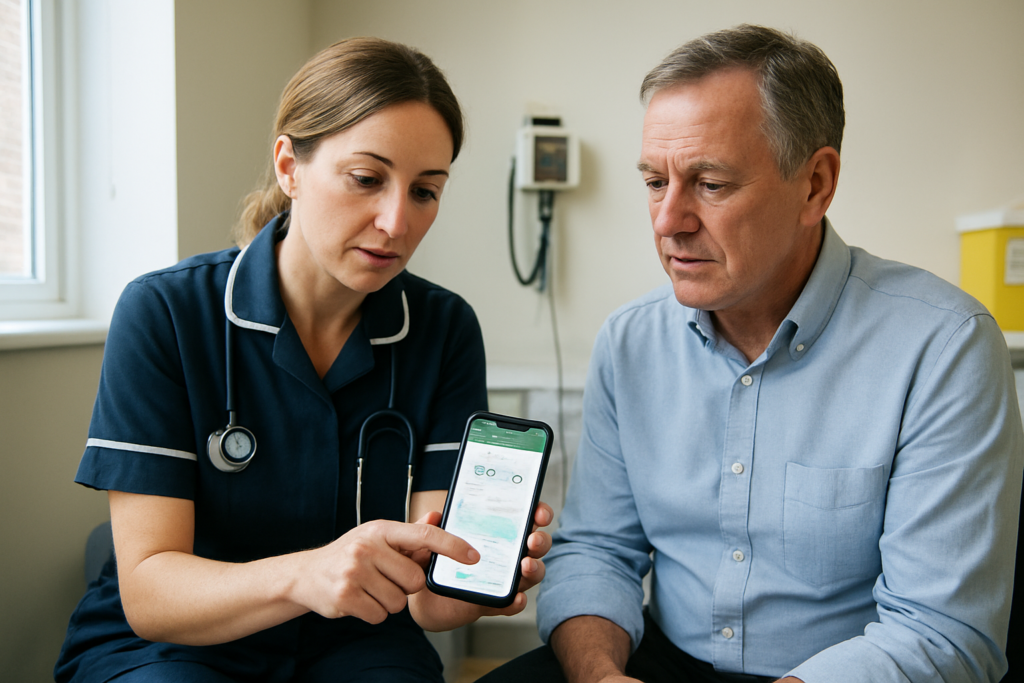
The findings, published in the Journal of General Internal Medicine, describe how 425 patients already being treated for high blood pressure used the app to support at-home management and healthier habits. The tool, developed by Nuna, also gave clinicians a clearer view of what was happening between appointments, offering what the researchers described as a window into daily progress rather than a single clinic reading. Source report
Better readings in patients with harder-to-control hypertension
During the year-long study, patients who added the app to their care saw their systolic and diastolic blood pressure measured over six months and compared with their baseline readings from the six months before they started using it. Their results were then matched against a control group of 425 similar patients who did not use the app.
Both groups improved, but the app users improved more. Among participants with uncontrolled stage 2 hypertension at baseline, systolic blood pressure fell by 13.6 mmHg in the app group compared with 9.0 mmHg in controls. The researchers said the difference was especially notable among patients whose readings moved from uncontrolled into a better range.
Michael Gottlieb, a Rush emergency medicine physician and vice chair of research, said the team saw “the power of a tool that empowers patients to manage their blood pressure every day.” Kristin Pallok, an internal medicine specialist and co-lead author, said the results matched what patients were reporting: that the app helped them take better control of their health.
Extending care beyond the clinic visit
The study also highlights a wider challenge in chronic disease management: clinicians often see patients only every few months, while medication adherence and lifestyle changes have to happen every day. The app was positioned as a way to extend the care team beyond the hospital’s walls without proportionally adding workload.
Rush has since expanded use of the app to more than 1,700 patients managing high blood pressure, prediabetes, diabetes and related cardiometabolic conditions. The report says 87% of patients were still using the app at six months, and roughly three-quarters were using it weekly.
For health systems looking for scalable ways to improve outcomes, the Rush experience suggests that AI-enabled mobile tools may have a role when they are embedded in existing care pathways rather than deployed as standalone products. The report also notes that weekly users had roughly 2.5 times the odds of achieving controlled blood pressure at six months compared with less frequent users.
Why the result matters for digital health
Hypertension remains one of the most important modifiable risk factors for cardiovascular disease, stroke, chronic kidney disease and premature death. Against that backdrop, the Rush findings add to the case for digital tools that can support behaviour change, improve follow-up and give care teams more timely insight into patient progress.
The study was not designed to prove hard clinical outcomes such as fewer heart attacks or strokes, but the researchers argued that the blood pressure reductions were clinically meaningful and could translate into longer-term benefit if sustained. For now, the report points to a practical lesson for digital health: tools that fit into routine care and help patients stay engaged may do more than simply digitize a process — they may help make treatment work more consistently in everyday life.
Photo source: AI-generated or edited image